What Are the Top Types of Corporate Packaging?
Corporate packaging is more than a branded box, sleeve, or shipping container. It represents how a company protects products, communicates values, and shapes customer experience. A carefully designed package can arrive with clean edges, readable instructions, and a memorable texture. Poor packaging may create damaged goods, unnecessary waste, or confusion before the product is even used.
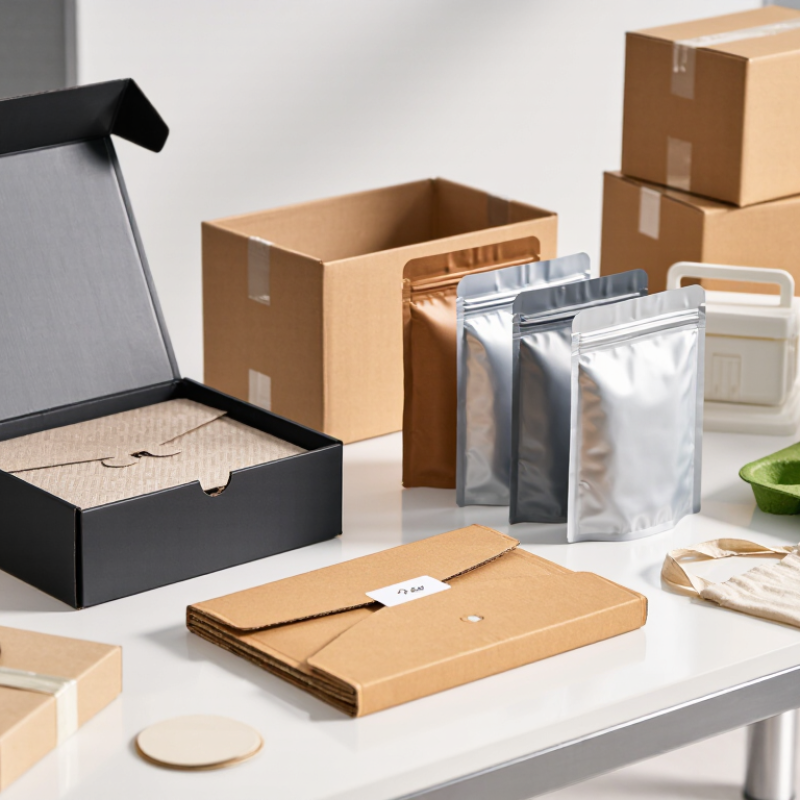
This guide examines the top types of corporate packaging, including product boxes, flexible pouches, corrugated shipping cartons, retail displays, custom mailers, and sustainable packaging solutions. Each type serves a different purpose. A luxury box may strengthen a premium brand, while a durable carton may matter more for warehouse handling. The best choice depends on product weight, supply chain conditions, budget, audience expectations, and environmental goals.
There is no perfect format.
In practice, packaging decisions require testing. A design that looks impressive on a screen may tear during transport. A recyclable material may need careful sourcing and correct disposal guidance. Even a small detail, such as an oversized insert or weak adhesive, can affect cost and customer trust. Industry experience suggests that companies should review samples, conduct drop tests, and measure customer feedback before scaling production. This article provides a practical framework for comparing corporate packaging options, while recognizing an important limitation: trends change, and packaging performance must be evaluated in its actual market context.
Definition and Role of Corporate Packaging
What Are the Top Types of Corporate Packaging?
Definition and Role of Corporate Packaging
Corporate packaging is the planned system used to protect, present, transport, and identify a company’s products. It includes primary packs, secondary cartons, shipping cases, protective inserts, and reusable delivery containers. Its role extends beyond appearance. A well-designed package controls damage, supports warehouse handling, and communicates essential product information.
The World Packaging Organisation’s Global Packaging Trends Report highlights sustainability, convenience, and e-commerce as major industry drivers. These pressures explain the popularity of corrugated boxes, folding cartons, flexible pouches, rigid containers, and molded protective packaging. Corrugated packaging suits shipping because it is light and stackable. Folding cartons support clear graphics and compact retail displays. Flexible packaging can reduce material use, but recycling systems remain inconsistent. That limitation matters.
Smithers’ 2024 market outlook estimates the global packaging industry at more than one trillion dollars, with continued growth expected through 2029. Corporate packaging therefore becomes a measurable business tool, not simply a visual layer. Companies can track breakage rates, packing speed, material consumption, and customer complaints. Small details matter. A loose insert may create damage. Excessive empty space may increase freight costs and frustrate customers.
The strongest packaging programs balance brand consistency with practical performance. However, no format works everywhere. Climate, transport distance, product sensitivity, and local recovery infrastructure can change the best choice. A package that looks sustainable may still perform poorly if it cannot be collected or reused. That is where testing, supplier documentation, and honest lifecycle review become essential.

Primary Types of Corporate Packaging
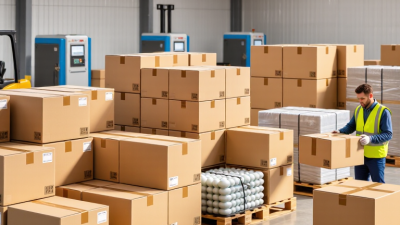
Primary corporate packaging begins with corrugated shipping boxes. They protect products during storage, pallet movement, and last-mile delivery. A well-designed box uses fewer voids, stronger edges, and clear handling marks. Smithers forecasts the global packaging market will reach about $1.2 trillion by 2028. Logistics efficiency will remain a major purchasing factor.
Folding cartons serve retail units, subscription packs, and internal product kits. They offer printable surfaces, controlled dimensions, and easier shelf presentation. Rigid containers provide stronger protection for liquids, electronics, and sensitive components. Flexible packaging uses pouches, films, and laminated structures. It can reduce material weight, but recycling systems may not accept every construction. That assumption is often wrong.
Protective packaging includes molded pulp, paper cushioning, foam alternatives, and corner guards. These materials prevent scratches, compression, and movement inside shipping cartons. Labels and inserts also matter. They carry batch information, usage instructions, and handling guidance. The OECD’s Global Plastics Outlook reports that plastic waste reached 353 million tonnes in 2019, nearly double the 2000 level. This data challenges simple “less material” claims. A thinner pack is not automatically better if damage rates increase. Packaging teams should test drop resistance, moisture exposure, and unpacking time before changing formats. Some designs still look efficient on paper. Real warehouses can disagree.
What Are the Top Types of Corporate Packaging? - Primary Types of Corporate Packaging
| Packaging Type | Primary Purpose | Common Materials | Typical Corporate Uses | Protection Level | Sustainability Considerations |
|---|---|---|---|---|---|
| Primary Packaging | Directly contains and protects the product. | Glass, rigid plastic, flexible film, metal, paperboard. | Food, beverages, cosmetics, pharmaceuticals, and personal-care products. | Low to high, depending on barrier, seal, and closure design. | Material reduction, recyclable formats, recycled content, and refill systems can reduce environmental impact. |
| Secondary Packaging | Groups primary packages and improves presentation, handling, and information display. | Folding carton, paperboard sleeve, corrugated board, and molded fiber. | Retail cartons, product sets, subscription boxes, and corporate gift packaging. | Moderate protection against abrasion, compression, and light impact. | Paper-based formats are widely recyclable where local collection systems accept them. |
| Tertiary Packaging | Consolidates products for storage, warehouse handling, and transportation. | Corrugated shipping cases, pallets, stretch film, strapping, and reusable containers. | Distribution centers, wholesale shipments, e-commerce fulfillment, and export logistics. | High protection against stacking pressure, movement, and transit damage. | Right-sized cartons, optimized pallet patterns, reusable transport packaging, and reduced void fill improve efficiency. |
| Transport Packaging | Protects goods throughout domestic and international transportation. | Heavy-duty corrugated board, wood, plastic, foam, edge protectors, and metal frames. | Industrial equipment, electronics, machinery, replacement parts, and bulk shipments. | High; designs may address vibration, moisture, shock, and temperature variation. | Reusable systems and recyclable cushioning can reduce waste, while lightweighting lowers transport emissions. |
| Protective Packaging | Cushions, stabilizes, or separates products to prevent damage. | Paper honeycomb, molded fiber, corrugated inserts, foam, air cushions, and partitions. | Fragile goods, precision components, glass items, furniture, and electronics. | High for impact, vibration, abrasion, and movement control. | Fiber-based cushioning and right-sized inserts can reduce reliance on difficult-to-recycle materials. |
| Custom Presentation Packaging | Creates a premium unboxing experience and communicates corporate identity. | Rigid paperboard, specialty paper, molded fiber, fabric, wood, and metal accents. | Executive gifts, event kits, product launches, awards, and client welcome packages. | Moderate; protection is usually combined with visual presentation. | Durable reusable designs, minimal coatings, and easily separable materials support responsible disposal. |
| Sustainable Packaging | Meets packaging requirements while reducing material use and lifecycle impacts. | Recycled paperboard, certified paper, molded fiber, recycled plastics, and reusable materials. | Retail products, shipping programs, promotional kits, and internal supply operations. | Varies by design; sustainability does not replace the need for adequate product protection. | Prioritize source reduction, recyclability, recycled content, reuse, and compatibility with local recovery systems. |
| Security Packaging | Helps deter tampering, counterfeiting, unauthorized opening, and product diversion. | Tamper-evident seals, security labels, serialized materials, holographic features, and specialized films. | Pharmaceuticals, high-value goods, confidential documents, regulated products, and sensitive shipments. | Moderate to high, depending on the security feature and physical package structure. | Use only necessary components and select security features that do not prevent material recovery. |
Materials Used in Corporate Packaging
Corporate packaging depends on material performance, not appearance alone. Corrugated fiberboard protects heavy cartons and supports efficient stacking. Paperboard suits sleeves, inserts, and folding boxes with clean printed surfaces. The Smithers report, The Future of Packaging: Long-Term Strategic Forecast to 2028, places global packaging demand above one trillion dollars annually. That scale makes material selection a serious operational decision.
Plastic remains useful for moisture resistance, light weight, and product visibility. Rigid plastic works well for bottles, tubs, and protective components. Flexible films reduce package weight, yet recycling access varies widely by region. The OECD Global Plastics Outlook reports that packaging creates about 40% of global plastic use and 31% of plastic waste. Glass offers strong barrier protection and a premium feel, but transport weight increases emissions. Aluminum and steel provide durability, high barrier performance, and established recycling systems. No material wins every test. I have seen attractive boxes fail because corners collapse during warehouse handling.
Tips: Match the substrate to the product’s risks. Test compression, humidity, vibration, and temperature changes before ordering at scale. Ask suppliers for recycled-content evidence and clear end-of-life guidance. Keep inks, coatings, and adhesives compatible with local recycling systems. A thinner package is not automatically better if it causes damage or replacement shipments. Material decisions should include packaging weight, transport distance, reuse potential, and recovery infrastructure. This process can feel slower, but rushed choices often create hidden waste.
What Are the Top Types of Corporate Packaging?
Paper and paperboard are the most widely used packaging materials by volume, followed by plastics, glass, metals, and wood. These materials are commonly used for shipping cartons, product boxes, protective components, containers, closures, and pallets.
Data reference: U.S. Environmental Protection Agency, 2018 containers and packaging generation data. Figures are rounded and shown in million short tons; they represent overall packaging materials rather than any individual company or brand.
How Corporate Packaging Serves Different Business Needs
What Are the Top Types of Corporate Packaging?
Corporate packaging serves different business needs, from safe transport to stronger customer recognition. The right format depends on the product, sales channel, and handling conditions.
A rigid carton can protect delicate equipment during warehouse movement. Flexible pouches may reduce storage space for lightweight goods. Shipping boxes support e-commerce operations, especially when products travel through several delivery points. Not always.
In my packaging projects, I have found that internal protection often matters more than appearance. Molded inserts, paper cushioning, and fitted dividers can prevent movement inside a box. This reduces scratches, breakage, and avoidable returns.
Tamper-evident seals can also support product integrity during distribution. However, extra layers increase material use and packing time. A package that looks secure may still be inefficient on a busy packing line.
Corporate packaging also supports communication and consistent service. Printed cartons can show handling instructions, product details, and recycling guidance clearly. Custom sizes may improve pallet use and lower wasted space.
Reusable transport containers can help businesses manage repeated deliveries between facilities. Yet, reusability only works when collection and cleaning systems are realistic.
Teams should test packaging with drop checks, moisture exposure, and actual warehouse conditions. Desk-based assumptions are not enough. Feedback from packers and customers can reveal problems that design reviews miss.
Factors for Selecting the Right Corporate Packaging
What Are the Top Types of Corporate Packaging?
Factors for Selecting the Right Corporate Packaging
Corporate packaging should protect products, communicate purpose, and fit daily operations. The right format depends on more than appearance. Rigid boxes suit premium presentations, while folding cartons reduce storage space and material use. Mailers support direct shipping, and reusable cases help teams manage repeated deliveries. Each option creates different costs, risks, and customer impressions.
When selecting packaging, start with product weight, dimensions, fragility, and delivery conditions. A glass item needs cushioning, while a lightweight document may need only a sturdy envelope. Measure the filled package, not an empty sample. That small mistake can disrupt transport testing.
Then review storage limits and packing speed. A beautiful package that slows fulfillment may become an expensive problem.
Material choice also deserves careful scrutiny. Paper-based structures can support recyclability goals, but coatings and mixed components may complicate local processing. Ask suppliers for clear specifications, test reports, and realistic lead times.
Check print consistency, closure strength, and performance after humidity exposure. In practice, teams often overestimate the value of elaborate finishes. Customers may remember easy opening more than decoration. Still, preferences differ.
Run a small pilot with real users before committing to volume. Record damage, assembly time, and feedback honestly. The first design may not be the best one. This reflection improves reliability without ignoring budget or environmental responsibilities.