China Top Bulk Packaging Suppliers for Global Buyers

Sourcing reliable bulk packaging can shape product safety, shipping efficiency, and customer trust. Global buyers need more than attractive prices. They need suppliers with verified materials, stable production, clear specifications, and dependable export experience. A strong supplier should explain bag dimensions, load capacity, closure systems, lining options, printing limits, and pallet requirements without hiding technical details.

Walter Soroka, a respected packaging educator and author of Fundamentals of Packaging Technology, described packaging as “the science, art, and technology of enclosing and protecting products for distribution, storage, sale, and use.” His definition remains practical for today’s bulk packaging market. Industrial sacks, FIBC bags, woven polypropylene bags, and flexible containers must protect products from moisture, dust, tearing, and handling pressure. Small details matter. A weak seam can become a costly failure.

China offers a broad manufacturing base for bulk packaging, serving agriculture, chemicals, minerals, food ingredients, construction materials, and recycling industries. However, factory size alone proves little. Buyers should review sample quality, production records, inspection procedures, material certificates, and communication response times. Supplier audits can reveal uneven stitching, inconsistent fabric weight, or unclear batch control.

No supplier is perfect.

Even experienced manufacturers may face delays, material changes, or misunderstanding about specifications. That is why written approvals, pre-shipment inspections, and realistic lead times deserve attention. This guide examines leading China bulk packaging suppliers for global buyers. It focuses on manufacturing capability, product quality, customization, compliance support, and practical purchasing risks. The goal is not to promote the loudest company, but to help buyers choose with evidence.
China Top Bulk Packaging Suppliers for Global Buyers

What Bulk Packaging Suppliers Provide and Why Global Buyers Need Them

Bulk packaging suppliers do more than sell cartons, bags, drums, or flexible containers. They help global buyers choose suitable materials for weight, moisture, temperature, and handling conditions. Experienced suppliers can provide customized dimensions, printed markings, inner liners, closures, pallets, and loading plans. They may also support sampling, quality inspections, and shipment documentation. These details reduce damage during long-distance transport.

Global buyers need reliable supply because packaging affects product protection, warehouse efficiency, and delivery costs. Consistent dimensions improve pallet stacking and container use. Clear specifications also make repeat orders easier across different markets. A dependable supplier should explain material performance, production limits, minimum order quantities, and lead times honestly. Certifications and test reports are useful, but buyers should verify whether they match the actual shipment. A document alone is not proof of quality.

Tips: Request a physical sample first. Test it under realistic conditions, including stacking, vibration, and humidity. Compare the delivered sample with the approved specification. Keep communication records. Small differences can become expensive problems. Buyers should also review emergency capacity and replacement procedures before placing large orders. No package is perfect. A stronger design may increase cost, while a cheaper option may fail during handling. Careful evaluation matters more than choosing the lowest quotation.

Main Types of Bulk Packaging Products Available in China

China Top Bulk Packaging Suppliers for Global Buyers

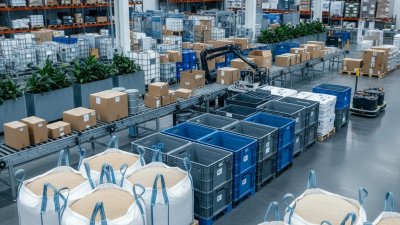
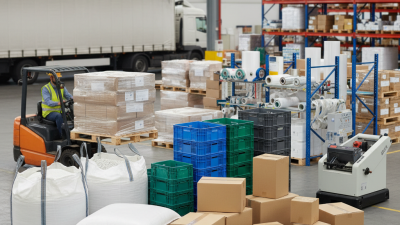
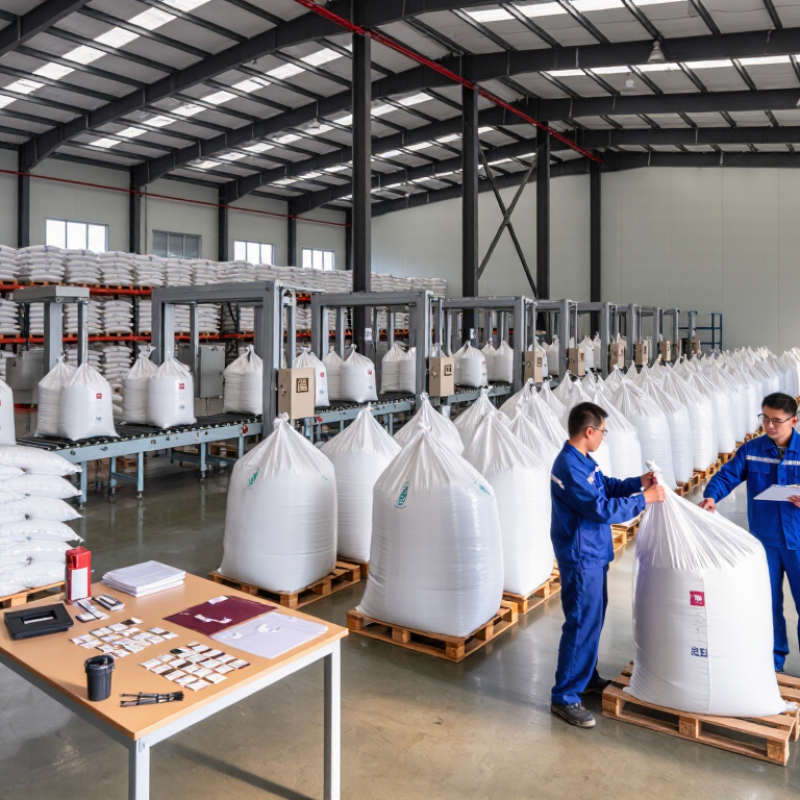
China offers a broad range of bulk packaging products for agricultural, food, chemical, and industrial shipments. Woven polypropylene bags suit grains, powders, and construction materials. They can include laminated surfaces, inner liners, or printed handling instructions. FIBC bulk bags carry larger loads and often include lifting loops, discharge spouts, and sift-proof seams. Capacity, fabric strength, and filling method must match the product.

Paper sacks remain useful for dry powders and building materials. Multiple layers improve stacking strength, while moisture-resistant coatings support longer transport. Plastic drums and pails provide rigid protection for liquids, pastes, and granules. Buyers should check wall thickness, closure design, pallet stability, and temperature performance. Flexible liners can reduce contamination, but poor fitting may create wrinkles and trapped material.

Reliable sourcing depends on more than a factory quotation. I recommend requesting production samples, seam photographs, material specifications, and recent quality records. Load testing, drop testing, and dimensional checks reveal problems before shipment. A lower price can hide thinner fabric or weaker stitching. That happens. Suppliers should also explain tolerances clearly and confirm packaging performance under real warehouse conditions. I have found that small details, such as loop placement or liner length, can affect unloading speed. Requirements may change after the first trial, so honest feedback should remain part of the purchasing process.

How to Evaluate China-Based Bulk Packaging Suppliers

Evaluating China-based bulk packaging suppliers requires more than comparing quoted prices. Request a company profile, factory address, production capacity, and export experience. Check whether the supplier manufactures products directly or outsources key processes. A video call can reveal storage conditions, equipment, and production flow. However, a clean factory tour does not prove consistent quality.

Ask for samples made with the same materials and specifications as your planned order. Examine sealing strength, wall thickness, printing clarity, odor, and dimensional accuracy. For food, cosmetic, or industrial packaging, request relevant material and safety documentation. Confirm testing methods, inspection frequency, batch records, and corrective-action procedures. A reliable supplier should explain these details without vague promises.

Compare minimum order quantities, tooling charges, lead times, payment terms, and shipping responsibilities in writing. Define acceptable defect limits and approval procedures before production begins. Use a small trial order when possible. It exposes weaknesses in packing, labeling, communication, or delivery control. No scorecard is perfect. Even an impressive sample may hide variation between batches. Leave room for inspection, realistic delivery buffers, and a second review after the first shipment.

Step-by-Step Process for Sourcing Bulk Packaging from China

China Top Bulk Packaging Suppliers for Global Buyers

Step-by-Step Process for Sourcing Bulk Packaging from China

Sourcing bulk packaging from China starts with a precise product brief. Define dimensions, material, capacity, closure type, printing, and monthly volume. Include drawings, artwork files, and acceptable tolerances. A small detail matters. For example, a 2-millimeter size difference can affect filling equipment and storage space. Confirm whether the packaging must meet food-contact, recycling, labeling, or transport requirements in the destination market.

Request quotations from several qualified suppliers, then compare more than price. Review production experience, factory location, equipment, quality records, and export documentation. Ask for material certificates and recent product photos. Video calls can reveal production conditions, but an independent factory audit provides stronger evidence. Order samples before approving a bulk purchase. Test sealing strength, stacking performance, odor, print accuracy, and compatibility with your product. A sample may look excellent and still fail during transport.

Agree on specifications in a signed purchase document. State inspection methods, defect limits, packaging quantities, lead time, payment milestones, and shipping terms. Use pre-shipment inspection for larger orders. Keep retained samples from the approved batch. The process is not perfectly linear. Delays, color variation, or changing material costs may require negotiation. Build contingency time into the schedule, and verify every revision in writing before production continues.

Quality, Compliance, Shipping, and Cost Considerations for Buyers

China Top Bulk Packaging Suppliers for Global Buyers

Quality starts with measurable specifications, not attractive samples. Define dimensions, material grade, load capacity, moisture resistance, and acceptable defect rates. Request pre-shipment samples and a batch inspection report. For food, cosmetic, or chemical applications, verify destination-specific contact rules and obtain current declarations, test reports, and certificates. The United Nations Conference on Trade and Development reports that over 80% of global merchandise trade by volume moves by sea. Therefore, packaging must survive stacking, humidity, vibration, and long port delays.

Compliance documents need careful checking. Match the supplier’s factory details, product description, and test results across every file. A certificate alone proves little. Independent testing can reduce uncertainty, especially for recycled content or heavy-duty materials. The World Bank’s 2023 Logistics Performance Index highlights customs, infrastructure, and delivery reliability as major logistics factors. These issues affect landed cost. Include tooling, inspection, inland transport, insurance, duties, demurrage, and currency movement in the quotation. The cheapest unit price may be a false economy. Sometimes, the “best” supplier still needs improvement.

Tips: Use a scorecard covering quality, compliance, lead time, communication, and total cost. Ask for a pilot order before scaling. Confirm Incoterms, pallet patterns, carton marks, and spare capacity in writing. Recheck production before loading. No scorecard is perfect. Reflect on missed risks after each shipment.