What Are the Top 10 Products for Packaging in China?
China has become a major sourcing destination for products for packaging across food, cosmetics, electronics, retail, and industrial markets. Its manufacturers offer diverse materials, flexible minimum orders, and advanced printing capabilities. However, product selection should involve more than comparing catalog prices. Material performance, factory consistency, compliance, and delivery reliability can determine the real purchasing cost.
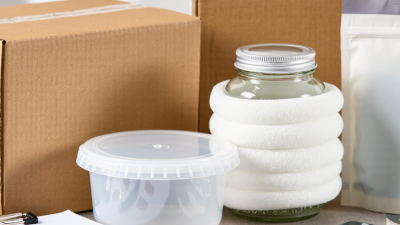
This guide introduces ten widely used packaging products made in China, including corrugated boxes, folding cartons, paper bags, flexible pouches, plastic bottles, glass jars, metal tins, molded pulp trays, protective foam, and reusable shipping containers. Each option serves a different purpose. A corrugated box may protect heavy equipment, while a custom pouch may reduce shipping volume for snacks or personal-care products. Details matter. Check board thickness, seal strength, ink quality, odor, and moisture resistance before approving mass production. Ask suppliers for samples, test reports, material specifications, and production photos. Independent inspections can also reveal weak seams or inaccurate dimensions.
Sustainability is important, but labels can mislead. Recyclability depends on local collection systems and material combinations. A thinner package is not automatically better if it fails during transport. This is where buyers need practical judgment, not attractive promises. Requirements also vary by destination, especially for food contact, children’s products, and cosmetics. Verify current standards with qualified compliance professionals. The ranking in this article is useful, but not absolute. Product value depends on the application, budget, brand image, and supply-chain risks. Even experienced buyers may overlook small details. That is worth remembering.
Packaging Market Overview in China
What Are the Top 10 Products for Packaging in China?
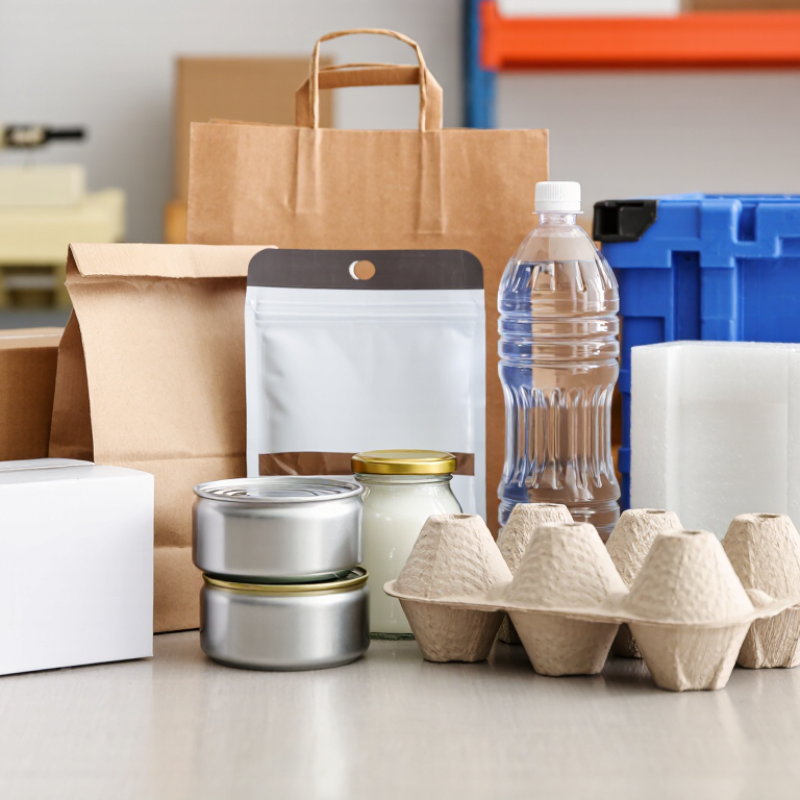
China’s packaging market is broad, practical, and strongly linked to e-commerce. The ten leading formats are corrugated boxes, folding cartons, plastic films, flexible pouches, rigid plastic containers, glass bottles, metal cans, paper bags, labels, and protective inserts. Corrugated boxes remain central for parcel delivery and factory shipments. Paper cartons serve food, personal care, and household products. Flexible packaging saves space, but recycling remains difficult in many local systems.
The China Packaging Federation’s 2023 industry report places annual packaging revenue near RMB 2 trillion. The scale is substantial. China’s State Post Bureau recorded 174.5 billion express parcels in 2024, creating steady demand for cartons, tapes, mailers, and cushioning materials. The National Bureau of Statistics reported online retail sales of RMB 15.52 trillion in 2023. These figures explain why lightweight packaging and automated packing formats are expanding. In practical sourcing work, compression strength, moisture resistance, sealing quality, and transport distance matter more than appearance alone. A cheaper box can fail in humid storage. That mistake is costly.
Market priorities are also changing. Recycled paper, thinner films, refillable containers, and lower-ink printing are receiving more attention. However, “green” packaging is not automatically sustainable. It may require more energy, water, or complex sorting. The ranking is useful, but not absolute. Product weight, export requirements, climate, and local recycling capacity can change the best choice. Industry reports offer direction; factory testing still decides reliability.
What Are the Top 10 Products for Packaging in China? - Packaging Market Overview in China
| Rank | Packaging Product | Common Material | Main Applications in China | Demand Drivers | Typical Reuse / Recycling Route | Market Outlook |
|---|---|---|---|---|---|---|
| 1 | Corrugated Boxes | Corrugated fiberboard made from paper-based liner and fluting | E-commerce shipments, household appliances, electronics, food distribution and industrial goods | High parcel volumes, low weight, cushioning performance and easy printing | Reuse where clean; recycle through recovered-paper systems | Stable to Growing |
| 2 | Flexible Plastic Pouches and Bags | Polyethylene, polypropylene and multilayer plastic films | Snacks, frozen foods, sauces, personal care products, pet food and household goods | Low material consumption, transport efficiency, heat sealing and long shelf-life support | Some mono-material formats are recyclable; multilayer structures remain more difficult to recycle | Shifting Toward Mono-Material |
| 3 | Plastic Bottles and Jars | PET, HDPE and polypropylene | Beverages, edible oils, detergents, cosmetics, personal care and pharmaceutical products | Light weight, impact resistance, transparent options and high-speed filling compatibility | PET and selected rigid plastics can enter mechanical recycling streams | Growing With Lightweighting |
| 4 | Paperboard Cartons | Folding boxboard and coated paperboard | Dry foods, pharmaceuticals, cosmetics, toys and consumer electronics | Good shelf presentation, printability, stacking efficiency and substitution for some plastic formats | Generally recyclable when free from excessive plastic, foil or food contamination | Growing |
| 5 | Glass Bottles and Jars | Soda-lime glass | Beverages, food preserves, sauces, cosmetics and pharmaceutical packaging | Strong barrier properties, chemical stability, premium appearance and product visibility | Reusable in suitable closed-loop systems; recyclable as container glass | Stable |
| 6 | Aluminum Beverage Cans | Aluminum alloy sheet | Carbonated drinks, beer, energy drinks, tea and other ready-to-drink beverages | High-speed filling, portability, light weight, strong barrier and convenient chilling | Highly recyclable through metal collection and remelting systems | Stable to Growing |
| 7 | Molded Pulp Packaging | Recycled paper fiber, molded pulp and agricultural-fiber blends | Egg trays, food service items, protective inserts, consumer electronics and gift packaging | Demand for fiber-based alternatives, cushioning performance and reduced fossil-plastic use | Often recyclable with paper products, subject to coatings and contamination | Fast Growing |
| 8 | Stretch Film and Shrink Film | Linear low-density polyethylene and polyethylene film | Pallet stabilization, warehouse handling, logistics, food multipacks and industrial packaging | Efficient load protection, moisture resistance and widespread use in modern logistics | Recyclable when collected separately and kept free from heavy contamination | Stable |
| 9 | Woven Polypropylene Sacks | Woven polypropylene tape fabric, sometimes laminated | Rice, grain, animal feed, fertilizer, chemicals, construction materials and industrial powders | High tensile strength, low cost, moisture resistance and suitability for bulk products | Reusable in industrial supply chains; recyclable when sorted and clean | Stable |
| 10 | Wooden Crates and Pallets | Solid wood, engineered wood and timber components | Export logistics, machinery, automotive parts, agricultural products and warehouse transport | Load-bearing capability, stacking support and protection for heavy or fragile goods | Reusable, repairable and recyclable as wood material; export shipments may require treatment compliance | Stable With Reuse Focus |
Note: Recyclability depends on collection infrastructure, material composition, labels, coatings, contamination and local sorting practices. The overview reflects commonly used packaging categories in China and does not represent a precise market-share ranking.