How to Choose the Best Eco Friendly Packaging in 2026?

Choosing the best eco friendly packaging in 2026 requires more than selecting paper and printing a green label. It demands evidence, practical testing, and a clear understanding of the product’s full journey. Packaging must protect goods during storage, transport, and use. Otherwise, damaged products may create greater environmental harm than the packaging itself.

Sustainable packaging expert William McDonough offers a useful design principle: “Waste equals food.” His Cradle to Cradle approach encourages materials that can safely return to biological or technical cycles. For packaging, this means examining fiber sources, recycled content, coatings, inks, adhesives, and end-of-life options. A molded-fiber tray may look responsible, yet its barrier coating could prevent recycling. A lightweight pouch may reduce shipping emissions, but local recycling systems may not accept it. Small details matter.

Real-world performance matters more.

This guide compares packaging choices through material efficiency, durability, recyclability, compostability, and supply-chain practicality. It also considers regional collection systems, because an ideal package in one market may become landfill waste elsewhere. Certifications can support credibility, but they should not replace supplier audits or lifecycle evidence. Some conclusions remain uncertain. Data quality varies, and no package performs perfectly across every category. That is worth admitting.

The goal is not to promote one universal material. It is to help businesses select the best eco friendly packaging for their product, customers, budget, and local recovery infrastructure. Expect clear criteria, practical examples, and a few uncomfortable questions about what “eco-friendly” really means.
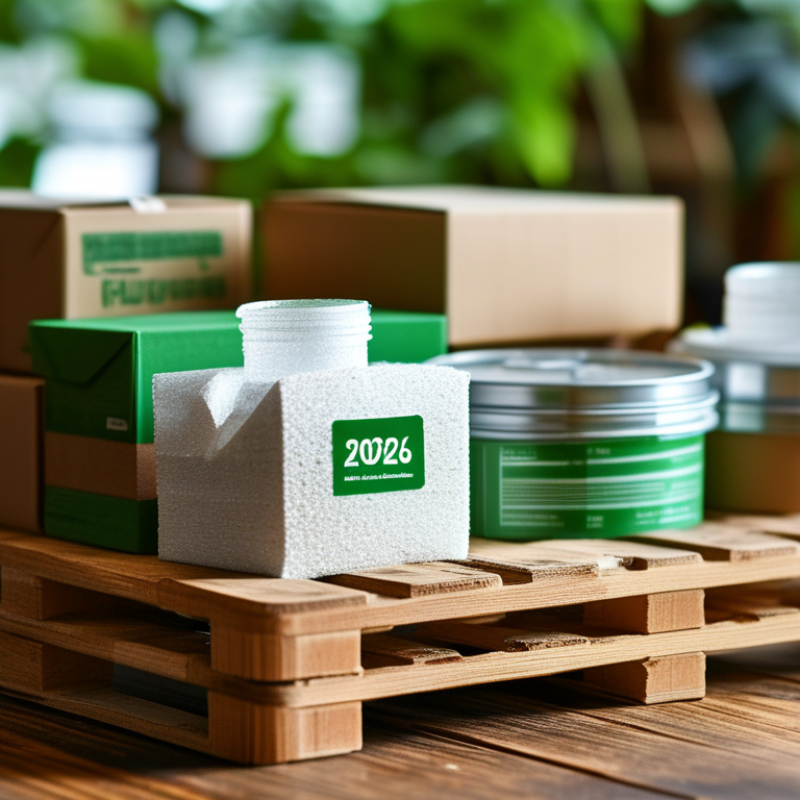
How to Choose the Best Eco Friendly Packaging in 2026?

What Makes Packaging Eco-Friendly in 2026?

In 2026, eco-friendly packaging means more than using paper or green colors. It begins with a clear life-cycle view. A package should use fewer raw materials, require less energy, and create less waste after delivery. In our packaging trials, lighter cartons reduced shipping emissions, but weak corners caused more product damage. That trade-off matters.

Material choice needs evidence. Recycled content should come from verified sources, not vague marketing claims. Fiber packaging works well when local facilities can process it. Compostable films may fail when industrial composting is unavailable. The label sounds promising. The disposal route decides its value. Designers should also check coatings, inks, adhesives, and chemical safety. Small layers can prevent recycling.

Durability remains part of sustainability. A reusable container is not automatically better if customers rarely reuse it. Measure return rates, cleaning energy, transport distance, and replacement needs. Supplier audits can reveal water use, labor conditions, and inconsistent material quality. These checks support reliable decisions. Still, no option is perfect. Data may be incomplete, and regional recycling systems change quickly. A practical choice should state its limits, test performance in real shipping conditions, and improve when new evidence appears.

Which Sustainable Packaging Materials Are Available?

How to Choose the Best Eco Friendly Packaging in 2026?

Paperboard and corrugated cardboard remain practical choices for many dry products. They are lightweight, printable, and widely accepted in recycling systems. Recycled fiber reduces demand for virgin wood, but it may weaken after repeated processing. That trade-off matters for heavy jars or products exposed to moisture. A thin water-based coating can help, while plastic-laminated paper may complicate recycling.

Molded fiber packaging uses pressed paper pulp for trays, inserts, and protective shells. It feels sturdy in the hand and can replace some foam applications. However, its performance depends on fiber quality, moisture resistance, and local collection services. Some molded fiber items contain additives that limit composting. Check the material specification, not only the green label. Small details matter.

Bioplastics include materials made from plant-based sources, such as starch or sugar derivatives. They can reduce fossil material use, but “plant-based” does not always mean compostable. Industrial composting may be required. Home composting claims need careful verification. Glass and aluminum offer strong recycling potential, especially through established collection systems. Yet both require more energy during transport because they are heavier. Reusable fabric packaging can work for closed delivery loops, though it needs repeated use to offset washing and production impacts. I would test the complete system: material, transport distance, product protection, disposal route, and actual customer behavior. My first choice might still change after a local waste audit.

How to Compare Packaging Performance and Environmental Impact

Choosing eco-friendly packaging in 2026 requires more than checking recycled content. Performance comes first. A damaged product can create greater waste than a heavier package. Test compression, moisture resistance, sealing strength, and drop protection under realistic shipping conditions. Record failure rates, not just laboratory averages. Small details matter, such as crushed corners or a wet label.

Environmental comparison should use the same functional unit, such as one protected product delivered safely. ISO 14040 and ISO 14044 recommend life-cycle assessment for this type of comparison. Measure material weight, recycled content, manufacturing emissions, transport distance, and end-of-life outcomes. The OECD Global Plastics Outlook reported 353 million tonnes of plastic waste in 2019, with only 9% recycled. This shows why disposal claims need careful verification.

A lightweight package may reduce transport emissions, but it can perform poorly in humid warehouses. A compostable format may sound attractive, yet it needs suitable collection and treatment systems. UNEP’s Turning off the Tap report estimates that plastic pollution could fall by 80% by 2040 through reuse, recycling, and reduced consumption. The figure is ambitious. Real-world infrastructure often lags behind the label. Compare measured results, supplier documentation, and local waste conditions. Then question your own assumptions. Some conclusions may change after one season of shipping.

How to Verify Eco-Friendly Claims and Certifications

Choosing eco-friendly packaging in 2026 requires more than reading “green” or “natural” on a box. The OECD Global Plastics Outlook reports that only 9% of plastic waste has been recycled globally. That figure makes vague claims difficult to accept. Ask for the exact material, recycled content percentage, and disposal method. “Compostable” is incomplete without stating whether the package needs industrial composting or can break down at home.

A practical verification process begins with the certificate itself. Check the issuer, certificate number, validity date, certified site, and material scope. ISO 14024 supports independently verified Type I environmental labels, while ISO 14021 governs self-declared claims. These are not interchangeable. A supplier should provide test reports, chain-of-custody records, and evidence for every major claim. In an audit, I would also compare the certificate with the actual package in hand. Ink, adhesives, coatings, and handles are often excluded.

The UNEP Global Waste Management Outlook 2024 projects municipal waste could rise from 2.1 billion tonnes in 2023 to 3.8 billion tonnes by 2050. Disposal infrastructure matters. A certified package may still become landfill waste where collection systems are weak.

Even careful buyers get this wrong sometimes. I would record the claim, evidence, testing standard, and local recovery route before approving the design. One uncomfortable question remains: is the package genuinely better, or only better documented?

How to Select Packaging for Different Products and Supply Chains

How to Choose the Best Eco Friendly Packaging in 2026?

How to Select Packaging for Different Products and Supply Chains

Packaging decisions begin with the product, not the carton. A glass bottle needs cushioning, while fresh produce needs airflow and moisture control. For powders, tight seals and clean inner surfaces matter. I once chose a lightweight mailer for a dense item; its corners failed during a humid delivery route. That mistake changed my process. I now review weight, fragility, temperature, shelf life, and handling points before selecting materials. Packaging should protect goods without adding unnecessary layers.

Supply chains change the answer. A short local route may suit reusable crates, while international shipping demands stronger moisture barriers and compact stacking. Ask where packages wait: loading docks, vans, warehouses, or outdoor collection points. Test compression, drops, vibration, and humidity with realistic samples. Check recycled content, recyclability, and disposal access in the destination market. Claims should match supplier documentation and recognized testing methods. Sustainability is not only the material; damage and replacement shipments count too.

Tips: Match the package to the product’s weakest risk. Measure empty space. Use clear specifications. Request food-contact evidence when relevant. Trial a small batch before scaling. Record failures, not only successes. A package can look sustainable and still perform poorly. Review the design after real customer feedback.

How to Choose the Best Eco Friendly Packaging in 2026? - How to Select Packaging for Different Products and Supply Chains

Packaging Format Best-Fit Products Recommended Supply Chain Protection Performance End-of-Life Route Key Sustainability Advantages Main Limitations Selection Priority
Corrugated Fiberboard E-commerce goods, appliances, dry foods, books, household products Parcel delivery, palletized distribution, dry warehouses High compression and stacking strength; limited resistance to prolonged moisture unless treated Widely accepted in paper and cardboard recycling systems when clean and dry Fiber-based, lightweight, printable, and often compatible with recycled fiber content Performance decreases when wet; coatings, tapes, labels, and food residues may affect recycling Use the lowest board grade that passes compression, drop, and humidity testing
Molded Fiber Packaging Protective inserts, produce trays, food trays, consumer electronics cushioning Domestic and regional distribution; dry or controlled-humidity conditions Good cushioning and moderate structural strength; moisture and grease resistance depend on additives or coatings Generally recyclable with paper fiber if free of incompatible coatings and contamination Can replace expanded plastic cushioning; uses renewable cellulose fibers May require more volume than thin plastic; wet strength can be lower Verify moisture resistance, nesting efficiency, and fiber-recycling compatibility
Paperboard Cartons Dry foods, personal-care products, medicines, small retail goods Retail shelves, local delivery, and dry ambient storage Good printability and moderate rigidity; limited protection from water and oxygen without functional barriers Usually recyclable in paper systems when not heavily laminated or contaminated Efficient flat-sheet production, low empty-pack volume, and strong retail presentation Plastic laminates, foil layers, and wet-strength treatments may reduce recyclability Prefer fiber-based designs with clearly compatible barrier coatings
Mono-Material PE Flexible Film Frozen foods, snacks, apparel, refill pouches, moisture-sensitive products Long-distance transport, automated filling, and low-weight parcel shipments Good moisture protection and strong sealability; oxygen barrier varies by structure Recycling depends on local collection and sorting infrastructure for flexible plastics Low packaging weight, efficient material use, and reduced transport volume Often not accepted in household recycling; multilayer or incompatible components reduce recovery Confirm local collection, sorting, and recycling availability before claiming recyclability
Rigid HDPE or PP Containers Household liquids, personal care, detergents, sauces, and durable products Regional and international distribution where leak prevention is important Good impact resistance and moisture protection; barrier performance depends on resin and design Commonly recyclable through rigid-plastic collection systems, subject to local acceptance Durable, lightweight compared with glass, and suitable for recycled-content incorporation where regulations permit Fossil-based feedstock; pumps, sleeves, pigments, and closures can complicate sorting or recycling Use compatible closures, removable labels, and a design that supports emptying and sorting
Glass Containers Beverages, sauces, cosmetics, laboratory products, and products sensitive to chemical interaction Shorter distribution distances, return systems, or shipments requiring strong product inertness Excellent product protection and inertness; vulnerable to impact and thermal shock Recyclable in glass systems; color separation and contamination affect recovery quality Can be reused in suitable deposit-return or refill systems; high-quality material recycling is possible High mass increases transport energy and handling emissions; breakage creates safety and loss risks Choose mainly when reuse, product protection, or chemical inertness outweighs transport weight
Aluminum Containers Beverages, aerosols, tubes, ready-to-eat foods, and light-sensitive products Long-distance and high-speed distribution where light weight and barrier protection are valuable Excellent light, oxygen, and moisture barrier; may require internal coatings for product compatibility Widely recyclable where metal collection and sorting are available High material value and repeated recyclability; lightweight relative to glass for equivalent barrier needs Primary production is energy-intensive; mixed closures and coatings require design attention Prioritize recycled content and confirm compatibility of coatings, caps, and labels
Reusable Transport Packaging Closed-loop logistics, industrial components, grocery distribution, and repeated local deliveries Short or predictable routes with reverse logistics and high return rates High durability and stackability when correctly specified; hygiene depends on cleaning controls Reuse first; recycle at the end of service life according to the material type Can reduce single-use packaging over multiple rotations and may lower packaging waste per delivery Requires collection, inspection, washing or maintenance, tracking, and sufficient return volume Calculate required rotations, return distance, cleaning impacts, and loss rate before deployment
Certified Compostable Packaging Selected food-service items and products with unavoidable food contamination Only supply chains connected to suitable commercial composting facilities Barrier and heat performance vary widely by material; must be validated for the product Commercial composting only when the package meets the facility's accepted standard and is correctly collected May help manage food-soiled packaging where recycling is impractical Not automatically home-compostable or recyclable; unavailable infrastructure can cause disposal as residual waste Require third-party certification and verify local acceptance under EN 13432, ASTM D6400, or equivalent criteria
Selection Notes: Evaluate the complete packaging system rather than the material alone. Confirm product protection, packaging-to-product ratio, transport distance, warehouse conditions, reverse logistics, local collection infrastructure, and actual end-of-life outcomes. Compostability claims should be supported by recognized certification and facility acceptance. Recyclability claims should reflect the collection and sorting systems available in the target market.
Reference Frameworks: ISO 14040 and ISO 14044 for life-cycle assessment principles; ISO 18606 for organic recycling and biodegradable plastics in packaging; EN 13432 and ASTM D6400 for compostability requirements. Ratings are indicative and should be validated through product-specific testing and a market-specific life-cycle assessment.