How to Choose Eco Friendly Packaging for Your Business?
Choosing eco friendly packaging is vital for businesses today. Customers are increasingly concerned about sustainability. They prefer brands that use environmentally conscious materials. This shift in consumer behavior means businesses must adapt.
When selecting eco friendly packaging, consider the materials used. Biodegradable, recycled, or compostable options are excellent choices. These materials reduce waste and minimize environmental impact. However, it's essential to find the right balance between sustainability and product safety.
Another important factor is the design of your packaging. Attractive, functional packaging can leave a lasting impression. Yet, it should reflect eco friendly values. Some businesses struggle with this balance. They may feel pressure to make their packaging more appealing while still being sustainable. Thoughtful design can help maintain this equilibrium. Reflect on your choices. Are you truly committed to eco friendly packaging, or just following trends?
Understanding the Importance of Eco-Friendly Packaging
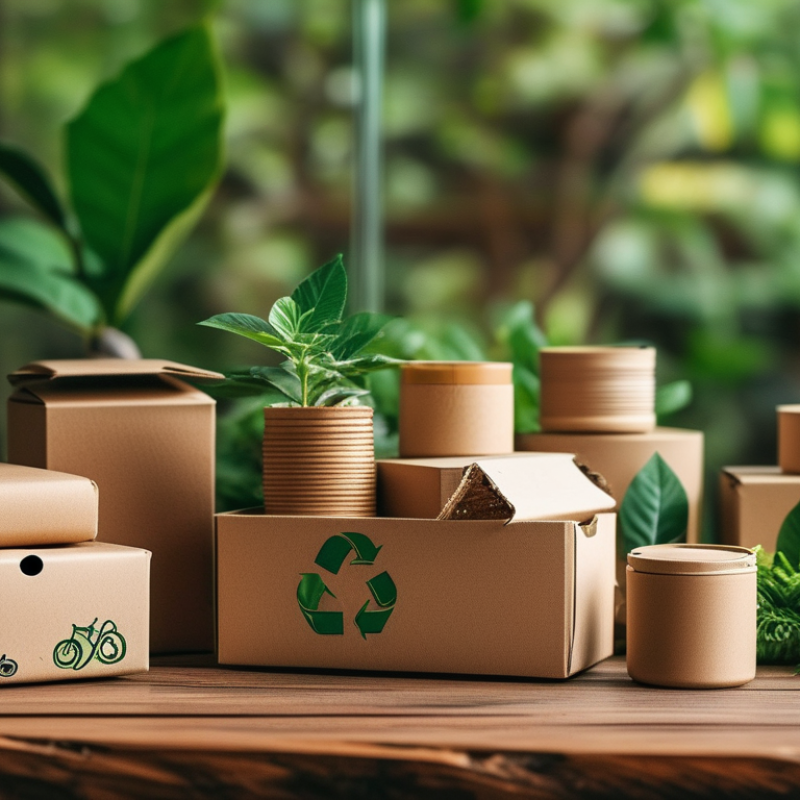
Eco-friendly packaging is crucial for businesses today. According to a 2021 study by IMARC Group, the global eco-friendly packaging market was valued at approximately $280 billion. It is expected to grow significantly, driven by consumer demand for sustainable products. This trend reveals a clear shift towards environmentally conscious purchasing choices.
The importance of eco-friendly packaging extends beyond consumer preferences. Research from Nielsen shows that 73% of global consumers would change their consumption habits to reduce environmental impact. Companies that prioritize sustainable packaging can enhance their brand image and gain a competitive edge. However, many businesses struggle to find suitable eco-friendly materials that balance cost and functionality.
Not all eco-friendly packaging options are created equal. Some biodegradable materials still require specific conditions for decomposition. This can mislead consumers about their environmental benefits. Businesses must ensure transparency about the materials they use. Sustainable packaging not only minimizes waste but also aligns with a broader commitment to corporate social responsibility. This is an ongoing journey, requiring continuous learning and adaptation.
Identifying Your Business's Packaging Needs
Identifying your business's packaging needs is crucial for adopting eco-friendly practices. Packaging plays a significant role in your brand image. Reports show that over 70% of consumers prefer sustainable packaging options. This preference highlights the importance of understanding what your business requires.
Consider the type of products you offer. Fragile items may need padded packaging, while food products require materials that meet safety standards. According to a 2022 survey by Packaging Strategies, 64% of businesses face challenges in finding reliable eco-friendly suppliers. This indicates a gap in the market that needs addressing.
Also, evaluate your current waste output. Are you reusing packaging materials effectively? A study from McKinsey & Company reveals that only 30% of businesses assess their packaging waste regularly. This lack of reflection can hinder progress. Taking time to analyze your packaging needs fosters more sustainable choices and enhances your credibility in the eyes of consumers.
How to Choose Eco Friendly Packaging for Your Business? - Identifying Your Business's Packaging Needs
| Packaging Type |
Material |
Biodegradability |
Recyclability |
Cost (per unit) |
Best Use Case |
| Kraft Paper Bags |
Wood Pulp |
Yes |
Yes |
$0.15 |
Retail stores, groceries |
| Glass Jars |
Silica |
Yes |
Yes |
$0.50 |
Food and beverages |
| Biodegradable Bubble Wrap |
PLA (Polylactic Acid) |
Yes |
No |
$0.25 |
Shipping and logistics |
| Compostable Containers |
Sugarcane Bagasse |
Yes |
Yes |
$0.40 |
Takeout food services |
| Recycled Cardboard Boxes |
Recycled Paper |
Yes |
Yes |
$0.30 |
E-commerce shipping |
Evaluating Different Types of Eco-Friendly Materials
When considering eco-friendly packaging materials, explore various options available in the market. Materials like recycled paper, biodegradable plastics, and plant-based options are gaining popularity. Each option has unique properties, so understanding them is crucial for making the right choice.
Recycled paper is a versatile choice. It reduces waste and can be customized easily. However, it may not provide the same durability as some plastics. Biodegradable plastics break down over time but can still pose challenges in certain environments. Plant-based materials offer a renewable alternative, but their availability might be limited depending on your location.
Tips: Always assess the lifecycle of each material. Consider how it will be disposed of after use. Some materials may seem eco-friendly but require specific conditions to break down effectively. Additionally, think about your brand's image. What message does your packaging send? It’s essential to align your choice with your business values and the sustainability goals of your company.
Eco-Friendly Packaging Materials Comparison
Comparing Cost and Sustainability of Packaging Options
Selecting eco-friendly packaging is crucial for businesses today. Evaluating cost and sustainability can be complex. According to a report from Smithers Pira, the sustainable packaging market is expected to grow to $475 billion by 2026. This growth highlights a shift towards greener alternatives, but it presents a challenge in balancing expense and eco-impact.
Biodegradable materials, like cornstarch and bamboo, are often more expensive than conventional plastic. A study by the Ellen MacArthur Foundation found that the true cost of plastic pollution could reach $600 billion annually, emphasizing that investing in sustainable options can lead to long-term savings. Yet, many companies hesitate, fearing higher upfront costs. While these options are indeed pricier, they contribute to lower waste management costs over time.
Recycled paperboard is a widely used alternative. It’s generally affordable and has a lower carbon footprint compared to virgin materials. However, not all recycled options are created equal. A 2020 survey indicated that 50% of consumers prioritize sustainable packaging but many are also price-sensitive. This creates an ongoing tension. Businesses must reflect on their values, weighing short-term costs against potential long-term benefits.
Implementing Eco-Friendly Packaging in Your Supply Chain
Implementing eco-friendly packaging in your supply chain is a crucial step towards sustainability. First, assess your current packaging materials. Look for alternatives that are biodegradable or made from recycled content. This transition not only reduces waste but also resonates with environmentally conscious consumers.
Engage your suppliers in discussions about sustainable options. Collaboration is vital. Ask questions about their material sourcing and production processes. This partnership can lead to innovative packaging solutions that align with your brand values. Be open to experimenting with different designs that minimize waste while maintaining product safety.
It's important to recognize the challenges. Sustainable materials can sometimes be more expensive. Finding the right balance between cost-effectiveness and eco-friendliness is a common struggle. Monitor the feedback from your customers. Their insights can guide your ongoing efforts and improvements in your packaging strategy.