Top Trends in Commercial Product Packaging Design for 2026?
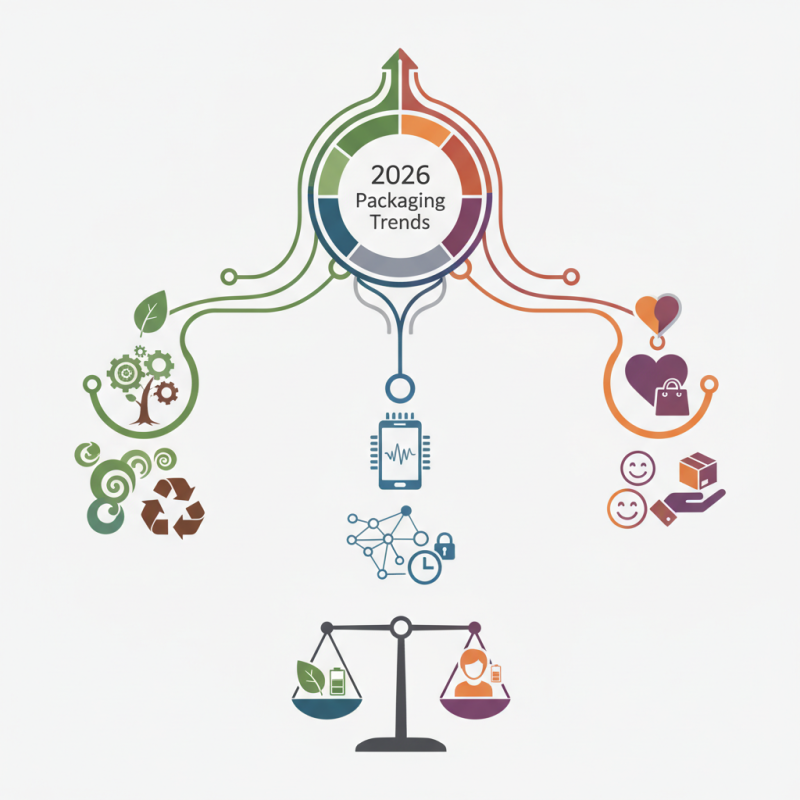
As we move toward 2026, commercial product packaging is entering a transformative phase. Brands must adapt to rapidly changing consumer preferences and sustainability demands. Innovative designs are not just visually appealing; they also communicate brand values effectively.
Eco-friendly materials are increasingly influencing packaging choices. Many companies are shifting toward biodegradable options. However, this creates challenges in durability and cost. Balancing sustainability with practical needs is essential.
Moreover, technology is playing a pivotal role in packaging development. Smart packaging is gaining traction, offering real-time data about product freshness. Yet, implementing such technologies can be complex. Brands need to reflect on their goals and choose wisely. Commercial product packaging must reach consumers emotionally while serving practical needs.
Emerging Sustainable Materials in Commercial Packaging for 2026
As we look toward 2026, sustainable materials in commercial packaging are gaining momentum.
Biodegradable plastics are emerging. These materials break down naturally over time, reducing landfill waste.
Manufacturers are exploring innovative options beyond traditional plastics. It's a necessary shift for environmental health.
Additionally, recycled paper and cardboard are becoming popular choices. They provide effective protection while being eco-friendly.
Plant-based inks are being used for printing, minimizing harmful chemicals. However, challenges remain.
The quality of these materials can vary. Some may not offer the same durability as conventional options.
The trend towards sustainable packaging is not without issues. Cost can be higher, which impacts businesses.
Convincing consumers about these materials’ benefits requires effort.
The market is evolving, and so must practices.
Striking a balance between sustainability and practicality is crucial.
There will be bumps along the way, but change is essential for progress.
Influence of Minimalistic Design on Consumer Purchasing Behavior
In recent years, minimalistic design in product packaging has gained massive traction. This trend focuses on simplicity and functionality. The use of clean lines and muted colors makes products stand out on crowded shelves. Packaging becomes a canvas, free from clutter. Shoppers are drawn to this aesthetic. They often perceive minimalism as a sign of quality.
However, not all consumers connect with this approach. Some miss vibrant and artistic designs. They associate them with creativity and uniqueness. This discrepancy raises questions about audience targeting in marketing strategies. Brands must navigate this fine line. An overemphasis on minimalism might alienate certain demographics.
The impact of minimalistic packaging on purchasing behavior is profound. Many shoppers report feeling calmer when faced with simple designs. They are more likely to engage with products that resonate on a visual level. On the flip side, minimalism can create the illusion of emptiness. It is crucial to balance aesthetics with functionality. A package must not only look good but also meet consumer needs in a practical way.
Integration of Smart Packaging Technologies in Retail Products
The rise of smart packaging technologies in retail products is changing the landscape of commercial product packaging design. In 2026, we expect to see more interactive features. Imagine a package that lets you scan it for information. This could include ingredients, usage tips, or even recipes. Customers want more engagement through their products.
Additionally, sustainability plays a crucial role. Smart packaging can track freshness and reduce waste. However, not all smart solutions are eco-friendly. Some technologies may struggle with recycling. Companies must find a balance between innovation and environmental impact. This is a reflection point for designers and brands alike.
Moreover, consumer expectations are continually evolving. Some users may find smart packaging intimidating or unnecessary. Education is key here. Clear instructions and user-friendly interfaces are essential in making technology accessible. This presents a challenge for designers: creating intuitive systems that delight users without overwhelming them.
Top Trends in Commercial Product Packaging Design for 2026: Integration of Smart Packaging Technologies in Retail Products
| Trend |
Description |
Impact |
Technology |
| Augmented Reality Packaging |
Using AR to enhance customer engagement through interactive experiences. |
Increased consumer interaction and product understanding. |
Smartphone apps, AR software. |
| Sustainability-Focused Designs |
Implementing eco-friendly materials and designs. |
Reduction of environmental impact and enhanced brand image. |
Biodegradable materials, recycled packaging. |
| Smart Labels |
Labels with embedded NFC or QR codes for product information. |
Enhanced consumer access to product details and authenticity checks. |
NFC, QR code technology. |
| Personalized Packaging |
Custom packaging tailored to individual consumer preferences. |
Higher customer satisfaction and loyalty. |
Digital printing technology. |
| Interactive Packaging |
Packaging that interacts with consumers through sound or light. |
Unique customer experiences leading to increased brand recall. |
Embedded sensors, LED technology. |
Personalization Trends in Packaging Design for Enhanced Brand Loyalty
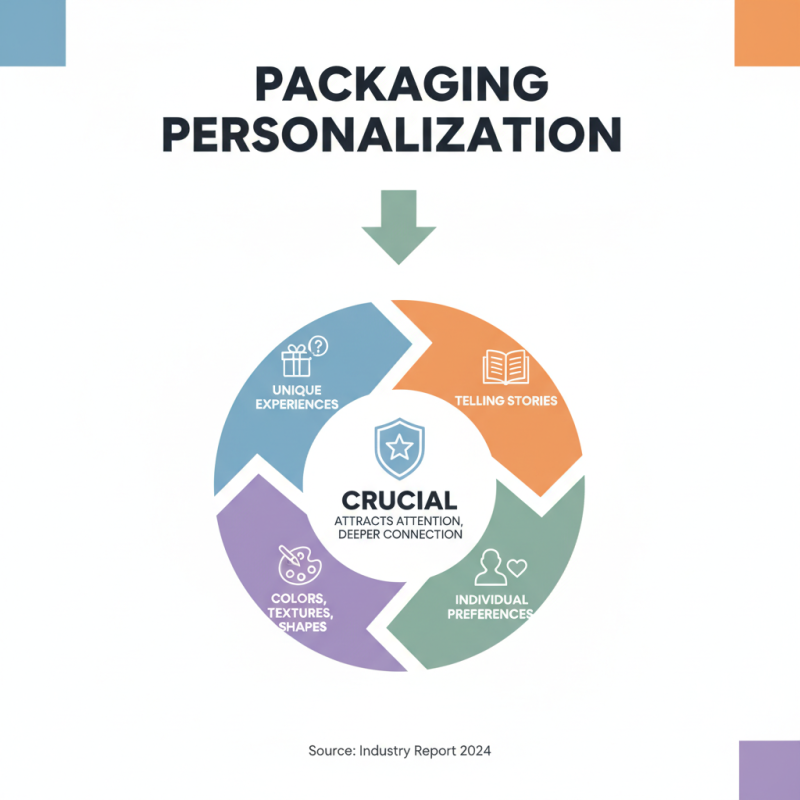
Personalization is becoming crucial in packaging design. Brands are moving towards creating unique experiences for customers. Each package tells a story, reflecting individual preferences. Instead of generic designs, personalized elements attract attention. Colors, textures, and shapes resonate with consumers on a deeper level.
Smart technologies play a vital role in this trend. QR codes and augmented reality enhance engagement. Customers can scan codes to unlock tailored experiences or offers. This interaction fosters a stronger emotional connection with the brand. The more a consumer connects, the more likely they are to remain loyal. Yet, some brands struggle to balance personalization with privacy concerns.
Incorporating feedback loops can help refine personalized designs. Brands that listen to their customers can adjust offerings effectively. However, not all personalization efforts succeed. Sometimes, overcomplicating the packaging can confuse customers. Simple, clear designs can often create the best impact. Personalization should feel intuitive, not forced.
Regulatory Changes Impacting Packaging Standards and Practices by 2026
As we approach 2026, regulatory changes are set to reshape packaging standards. Environmental concerns drive stricter rules. Governments push for reduced plastic usage. Recyclability is no longer optional; it’s essential. Brands must adjust their packaging designs to comply with these new regulations.
Tips: Consider using biodegradable materials. These can help meet sustainability goals and attract eco-conscious consumers. Evaluate your current materials and seek alternatives. Look into local regulations, as they may differ and impact your packaging process.
The industry is hesitant, facing challenges in material sourcing. Transitioning can be daunting. Yet, innovative solutions are appearing. Blending aesthetics with compliance might seem tricky. Companies must strike a balance between appealing designs and regulatory demands. Adapting packaging to meet these challenges is imperative for success.