What Are the Top Bulk Product Packaging Types in 2026?
In 2026, bulk product packaging is no longer judged by capacity alone. Buyers are comparing protection, handling speed, storage density, and recovery options. A 1,000-kilogram flexible intermediate bulk container may serve powders efficiently. A reusable plastic tote may perform better for repeated warehouse loops. Steel or fiber drums still matter when strength and controlled movement are priorities.
Market evidence supports this broader view. Smithers’ The Future of Packaging to 2028 identifies sustainability, automation, and material efficiency as major forces shaping packaging decisions. The OECD’s Global Plastics Outlook reports that packaging generated about 40% of global plastic waste in 2019. That figure makes format selection difficult to ignore. UNEP’s Turning off the Tap report also argues that reuse, recycling, and reduced material use must work together. None is a complete solution.
The leading options in 2026 will likely include FIBCs, bulk sacks, rigid IBCs, drums, corrugated bulk bins, and reusable crates. Each format fits a different supply chain. A food processor may need cleanable IBCs and traceable liners. A construction supplier may value stackable sacks with strong lifting loops. A beverage distributor may prioritize returnable crates over single-trip cartons. The cheapest package can become expensive after damage, labor, or disposal costs. That is often overlooked.
Forecasts are not flawless. Actual performance depends on product density, filling equipment, warehouse design, and regional recovery systems. This guide compares the top bulk product packaging types through those practical conditions, not through material claims alone..get
Bulk Product Packaging: Definition, Functions, and Selection Criteria
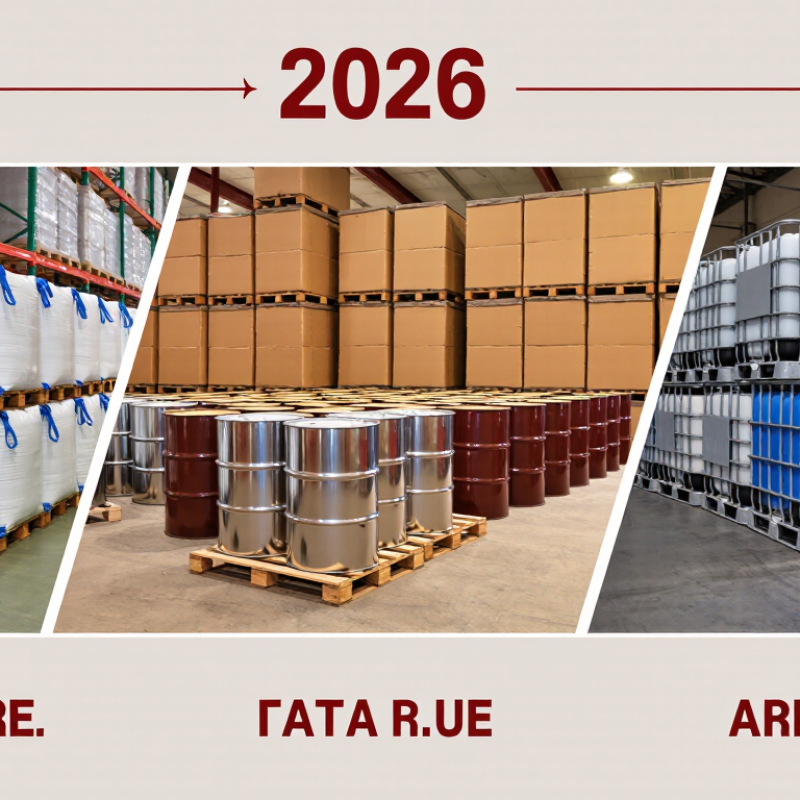
Bulk product packaging holds large quantities for storage, transport, and controlled dispensing. Common types include corrugated cases, rigid drums, intermediate bulk containers, flexible intermediate bulk bags, and heavy-duty pouches. The right format protects contents while reducing handling time, product loss, and warehouse space.
Industry data supports this shift toward efficient formats. Smithers’ The Future of Global Packaging to 2028 projects the worldwide packaging market will exceed 1.2 trillion dollars by 2028. The Flexible Packaging Association reported a US flexible packaging market value of about 39.5 billion dollars in 2023. These figures show strong demand, but market growth alone should not determine selection. Product density, moisture sensitivity, stacking pressure, filling equipment, and delivery distance matter more.
A lightweight pouch may reduce material use, yet it can fail under rough pallet handling. That is an uncomfortable detail.
Tips: Test filled packs in real warehouse conditions. Check drop resistance, seal strength, compression performance, and pallet stability. Ask for migration, recycled-content, and performance documentation when relevant. Small trials often reveal problems earlier than laboratory assumptions.
Selection should also consider reuse, empty-packaging volume, and end-of-life options. Rigid containers suit repeated handling and liquid products. Corrugated cases work well for boxed units and automated distribution. Flexible bulk bags save storage space, but humidity and lifting-loop quality require close inspection. Some decisions remain imperfect. A lower-cost package can create higher damage rates, labor costs, or disposal burdens. Industry reports provide direction; application testing provides confidence.
Flexible Packaging Types for High-Volume Products
High-volume products need flexible packaging that moves quickly through filling, storage, and distribution. Rollstock is a practical choice for automated lines because machines form, fill, and seal each pack with limited handling. It works well for powders, grains, snacks, and dry ingredients. Premade pouches offer cleaner presentation and faster changeovers. However, they may cost more when production volumes fluctuate. Small details matter.
For heavier products, woven polypropylene sacks with flexible liners can provide strength without excessive material use. Flexible intermediate bulk containers suit large shipments of powders, pellets, and agricultural materials. Their lifting loops, inner liners, and discharge features should match the product and warehouse equipment. A dusty product may need stronger seals. A moisture-sensitive product may require a high-barrier film. Packaging tests should measure seal strength, drop resistance, compression, and storage performance.
In practical packaging evaluations, the best format is rarely the lightest option alone. A thinner film can reduce material use, yet it may create more punctures during pallet movement. I have also seen attractive pouches fail when their seals faced oily residue. That problem is easy to underestimate. Teams should review filling speeds, pallet stability, humidity, and opening behavior before approving a format. Flexible packaging can improve efficiency, but only when its material structure matches real handling conditions.
Rigid Packaging Options for Storage, Transport, and Retail
What Are the Top Bulk Product Packaging Types in 2026?
Rigid packaging remains practical for storage, transport, and retail. Reusable plastic totes protect hardware, household goods, and packaged foods from crushing and moisture. Their stackable walls support cleaner warehouse layouts. Tight-fitting lids also reduce dust during long storage periods.
Rigid corrugated bulk boxes offer lower weight and efficient pallet use. They suit large quantities that move through distribution centers quickly. For heavier products, fiber drums and molded containers provide stronger sidewall support. I have seen poorly matched containers deform when pallets were wrapped too tightly. The lesson is simple: packaging strength must match product weight, handling pressure, and storage time.
Retail changes the requirements. A bulk container may need a smaller display-ready inner pack, clear labeling, and easy access without losing stability. Transparent rigid bins help staff check inventory quickly. Nestable containers reduce empty-space costs on return trips, but their hinges and lids need regular inspection. Small failures matter. One cracked corner can expose products to dirt or cause a stack to lean. Reliable buyers should request compression, drop, vibration, and humidity test records before choosing a format. Testing real pallet patterns is wiser than trusting a catalog specification. Flexible packaging still has a place, but rigid formats offer dependable protection when repeated handling and visible presentation matter.
Sustainable and Reusable Packaging Solutions in 2026
What Are the Top Bulk Product Packaging Types in 2026?
In 2026, reusable packaging is becoming central to responsible bulk distribution. Durable plastic totes, stainless steel drums, and woven bulk bags support repeated transport. The best choice depends on product weight, moisture, handling equipment, and return distance. A reusable container only reduces impact when companies collect, inspect, clean, and reuse it consistently. Strong packaging also protects products from crushing, dust, and temperature changes during storage.
Tips: Measure the full packaging cycle. Track return rates, cleaning water, repair needs, and transport emissions. Select containers with replaceable parts and clear material identification. Ask suppliers for testing records, load ratings, and recycling guidance.
Small details matter. A damaged lid can spoil an entire shipment. Standardized sizes may also improve warehouse stacking and reduce empty space.
Yet, the ideal solution rarely exists. Reusable packaging can create extra emissions when return journeys are long or poorly planned. A lightweight recyclable option may perform better in some routes.
Teams should review real delivery data instead of trusting attractive sustainability claims. Regular audits help reveal weak points, including lost containers, excessive washing, and premature replacement.
Sustainability requires practical evidence, not perfect language.
How to Choose the Right Bulk Packaging for Different Products
Choosing the right bulk packaging starts with the product, not the container price. Liquids usually need sealed drums, intermediate bulk containers, or lined tanks. Check viscosity, temperature, and spill risk before selecting one. A thick syrup may drain poorly from a narrow outlet. It needs a wider valve and stronger handling points.
Dry powders require different protection. Multi-wall sacks suit stable materials with moderate moisture sensitivity. Rigid bulk boxes work better when stacking strength matters. Fine powders can escape through weak seams, so test liner fit and closure performance. Granular products may need breathable packaging if condensation is likely. Do not assume one liner fits every powder.
Fragile components benefit from corrugated bulk boxes with internal dividers or cushioning. Heavy parts need reinforced bases and safe lifting access. Reusable containers can reduce waste, but only when cleaning, inspection, and reverse transport are practical. That condition is often overlooked. Packaging specialists should review pallet dimensions, warehouse equipment, shipping distance, and storage humidity together. A small pilot shipment can reveal shifting, crushed corners, or difficult unloading before full production. The cheapest option may create more labor later. Mistakes still happen. Document them, then adjust the design.
Top Bulk Product Packaging Types in 2026
Typical nominal capacity of widely used bulk packaging formats
Flexible intermediate bulk containers and rigid intermediate bulk containers are commonly selected for approximately 1,000-litre loads. Pallet boxes are useful for solid products that need stacking and mechanical handling, while drums provide smaller, more manageable quantities. Actual capacity depends on product density, UN performance requirements, handling equipment, and transport regulations.
The figures represent common nominal package sizes rather than market-share data. Typical references include 1,000-litre IBC formats, 208-litre steel drums, and standard bulk-bag capacities around 1,000 litres.
Related Posts
-
Why Bulk Packaging Is Essential for Efficient Shipping and Cost Reduction?
-
10 Best Bulk Packaging Solutions for Your Business Needs?
-
10 Essential Tips for Effective Bulk Packaging Solutions?
-

How to Choose the Best Commercial Product Packaging Solutions?
-
Top 10 Innovative Products and Packaging Solutions for Buyers?
-
China Best Business Product Packaging Suppliers?