
What Are the Top 10 Flexible Packaging Suppliers in China?

Flexible packaging serves products that need protection, shelf appeal, and efficient transport. In China, suppliers range from large manufacturers with broad product lines to specialists focused on particular materials or applications. Comparing them takes more than scanning a catalogue. A glossy pouch can look convincing on a screen, but its seal, print quality, and handling performance matter in daily production.

This guide introduces ten flexible packaging suppliers in China and explains practical points to consider when evaluating them. These include material options, printing capabilities, production capacity, quality controls, and communication during sampling. A specification sheet is useful. So is a real sample. Check whether the supplier can explain its structure choices, confirm dimensions, and flag limitations before an order moves forward. Ask about lead times and minimum order quantities, too; they can vary by product and production schedule.

No list is perfect. Supplier strengths change, and the best fit depends on your product, order volume, and target market. Treat each profile as a starting point, not a guarantee of performance. Before committing, request current specifications, review samples under realistic conditions, and confirm that quoted details match the final order. Small checks help. A pouch that stands upright on a desk may behave differently when filled, shipped, and stacked. The goal here is a clearer shortlist and better questions for your next supplier conversation.
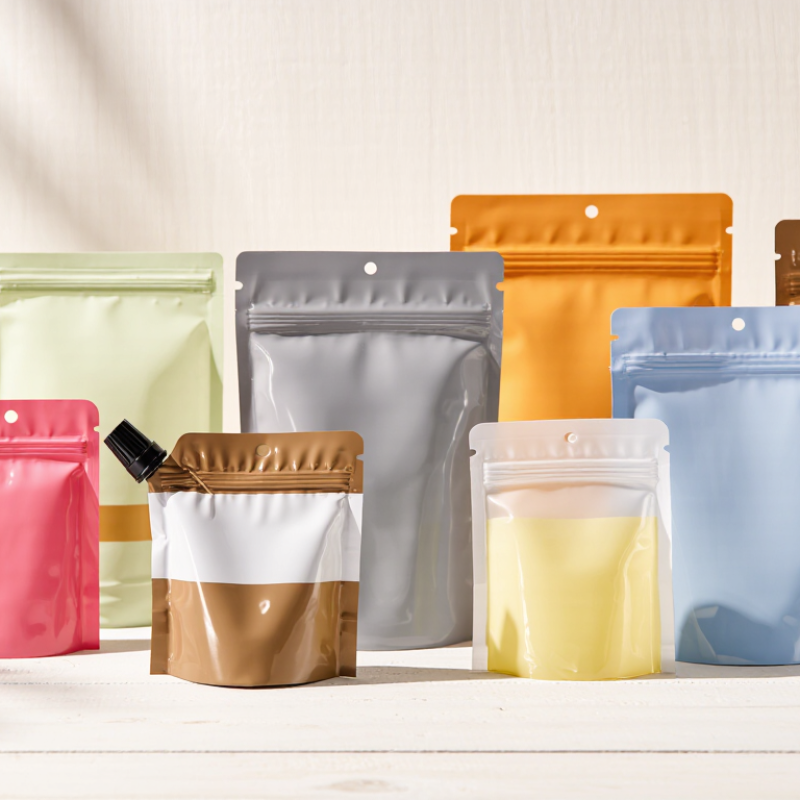
What Are the Top 10 Flexible Packaging Suppliers in China?

Understanding China’s Flexible Packaging Industry

China’s flexible packaging sector serves a vast manufacturing and consumer market, but public statistics rarely isolate flexible packaging from the wider industry. The China Packaging Federation’s 2023 industry report recorded about RMB 1.155 trillion in revenue across China’s packaging industry. That total includes multiple packaging types, so it should not be read as flexible-packaging revenue alone. The National Bureau of Statistics reported that online sales of physical goods reached RMB 13.08 trillion in 2024, equal to 26.8% of total retail sales. This scale supports demand for lightweight packs used in food, household goods, and personal care. Not quite a direct measure of packaging demand.

For buyers comparing suppliers, the practical details matter: film structure, seal strength, print consistency, and reliable delivery across repeat orders. A sample pouch can look excellent under bright showroom lights. The production run is the real test.

Ask how suppliers control thickness variation, manage color matching, and document quality checks. China’s broad manufacturing base can offer many material and converting options, yet capabilities differ between factories. That matters. Industry totals describe the market, not each supplier’s performance; request recent test records and production samples before drawing conclusions.

Criteria for Selecting Leading Packaging Suppliers

When comparing flexible packaging suppliers in China, look beyond unit price. A capable supplier should explain its material structure, sealing method, and intended use in clear terms. Ask how it checks print alignment, thickness, seal strength, and batch consistency. Request recent sample rolls or finished pouches, then inspect them under conditions similar to your production line. A neat sample is useful, but repeatable results matter more.

Tips: Share your target dimensions, fill weight, storage conditions, and expected order volume before requesting a quote. Ask for a written specification and a realistic production schedule. Check how changes, defects, and delayed shipments are handled. Small details reveal a lot.

Also assess production capacity, communication, and quality records. A supplier should be able to describe its inspection steps and provide relevant test documents for the materials offered. Confirm who approves artwork and how revisions are tracked. Compare lead times against your launch plan, not just the advertised estimate. Price matters, of course. Yet the cheapest option may bring extra waste or line adjustments. A checklist can miss things, too; supplier claims still need practical verification.

Profiles of Ten Flexible Packaging Suppliers in China

Profiles of ten flexible packaging suppliers in China are most useful when they compare real production details, not broad claims. Check each supplier’s materials, pouch and rollstock options, printing methods, barrier structures, and typical order quantities. Ask for a sample with visible seal edges and print registration. These small details reveal more than a polished catalog.

The Flexible Packaging Association’s 2024 State of the U.S. Flexible Packaging Industry report estimated U.S. industry sales at $42.9 billion in 2023. This is a market benchmark, not a measure of China’s supplier capacity. For each profile, record certifications, testing methods, lead times, and how quality issues are handled. No profile is perfect; public information may lag, and stated capacity should be verified with current documentation.

Tips: Request matching samples and specifications from all ten suppliers. Compare seal strength, thickness, and delivery terms—not price alone. A neat comparison table helps, though it cannot replace a production trial.

Typical Density of Common Flexible Packaging Polymers

Representative resin densities offer one basic point of comparison when evaluating flexible packaging materials. Actual values vary by grade and test method; density alone does not indicate packaging quality or supplier capability.

Values are approximate midpoints of commonly reported resin-density ranges, in g/cm³. Materials shown: LDPE, HDPE, polypropylene (PP), polyethylene terephthalate (PET), and polyamide (PA).

Comparing Supplier Capabilities, Materials, and Technologies

China’s flexible packaging suppliers differ in more than price and production volume. When comparing ten candidates, check whether each can handle your required film structure, print detail, bag format, and order size. Some specialize in lightweight pouches; others are better equipped for roll stock or complex laminates. Ask for a sample made to your specification, not just a similar item. A smooth sample proves little about repeatability.

Material options may include polyethylene, polypropylene, polyester, paper, and multilayer combinations. The right choice depends on product protection, sealing needs, shelf life, and disposal goals. Ask suppliers to explain each layer’s function and provide relevant test data. Review printing methods, color controls, inspection systems, and changeover times too. Advanced equipment helps, but operator skill and process records matter just as much. A supplier’s capacity claims can be hard to compare without a shared specification.

Tips: Send the same brief to every supplier. Include dimensions, expected volume, filling conditions, and performance targets. Request lead times, quality checks, and sample approval steps in writing. Details matter. If a proposal is unclear, ask for a plain-language explanation; this comparison can still miss issues that only appear during a production trial.

How to Choose a Supplier for Your Packaging Needs

When comparing China’s top flexible packaging suppliers, start with the product, not the sales pitch. A pouch for roasted coffee needs a strong oxygen barrier and a reliable seal. Frozen food packaging must stay flexible at low temperatures. Share your product, filling process, storage conditions, and target shelf life with each supplier. Specific answers are more useful than a broad promise of “custom packaging.”

Ask for material specifications, print proofs, and samples made with the proposed structure. Check seal strength, thickness, dimensions, and how the package performs after filling. Ask for proof. A sample that looks good on a desk may behave differently on a fast production line. Details matter. Request relevant quality records and clarify how defects, repeat orders, and production changes are handled. Verify claims rather than treating certificates as a substitute for testing.

Compare minimum order quantities, lead times, communication, and shipping terms alongside unit price. A low quote can exclude cylinders, setup, or freight. Ask for an itemized estimate. Also check whether the supplier can maintain color and dimensions across repeat batches. Keep written specifications and approvals. One limitation: a small sample cannot predict every production issue, and I’d allow time for a real trial run. The cheapest option is not always the easiest to manage.