China Top 10 Bags and Packaging Manufacturers?

Choosing reliable bags and packaging manufacturers in China requires more than comparing prices. Product consistency, material safety, printing quality, and communication often determine the real cost of a supplier. This guide introduces ten notable Chinese manufacturers across flexible packaging, paper bags, woven sacks, and customized retail solutions. It considers production capacity, export experience, quality systems, certifications, minimum order quantities, and customer service.

Practical sourcing details matter. A buyer may need precise print registration, strong heat seals, accurate bag dimensions, or packaging that survives humid ocean transport. Factory visits, sample testing, and independent inspection can reveal issues that catalogues hide. Ask for material specifications, test reports, production photographs, and clear lead-time commitments. Certifications should also match the intended market and product application.

Public information is not always complete. Rankings can change. Therefore, this list should support supplier research rather than replace direct verification. A low quotation may reflect thinner material, limited testing, or unclear tooling fees. An attractive sample may not represent mass production. Experienced buyers compare samples, contracts, factory evidence, and after-sales responses before placing substantial orders. Small details matter. The goal is not to name a universally perfect manufacturer, because none exists. Instead, this overview offers a practical starting point for identifying suitable partners, reducing avoidable risks, and matching each supplier’s capabilities with your packaging requirements.
China Top 10 Bags and Packaging Manufacturers?

What Makes a Leading Bags and Packaging Manufacturer in China

What makes a leading bags and packaging manufacturer in China? Capacity alone is not enough.

The global packaging market reached about US$1.17 trillion in 2023, according to Smithers’ The Future of Global Packaging to 2028. This growth increases pressure on factories to deliver consistent quality, not just large volumes.

A strong manufacturer begins with material control.

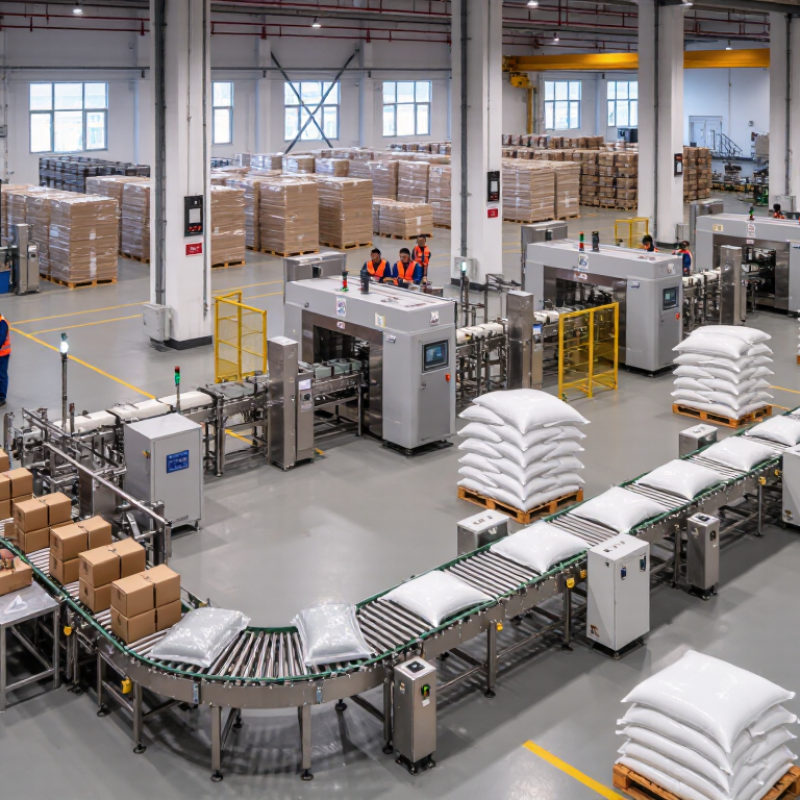
Technicians check film thickness, sealing strength, color accuracy, and odor before production. A reliable factory also uses documented sampling plans and batch traceability. For food-contact packaging, suitable testing and compliance records must be available before shipment.

In practical factory audits, clean storage areas matter too. Dust, humidity, and careless stacking can damage good materials.

Sustainability needs evidence, not attractive claims.

The New Plastics Economy report found that only about 14% of plastic packaging was collected for recycling globally, while significant losses occurred during sorting and processing.

Leading suppliers should therefore offer thinner structures, recyclable formats, and clear material specifications. Design still has trade-offs. A thinner bag may reduce material use but lose strength during transport.

No factory is perfect. I would question any supplier promising zero defects without showing inspection data, corrective-action records, and independent testing.

Delivery performance matters as well: realistic lead times, stable production planning, and transparent communication often reveal more professionalism than a polished showroom.

Criteria for Ranking China’s Top 10 Packaging Manufacturers

China’s top packaging manufacturers should be ranked by evidence, not factory size alone. Smithers’ The Future of Global Flexible Packaging to 2028 projects the global market will exceed US$300 billion. That growth increases pressure on Chinese suppliers to prove consistency, not just capacity.

The ranking should measure audited annual output, export experience, delivery accuracy, and defect rates. Certifications such as ISO 9001, ISO 14001, and food-contact compliance deserve verification through current documents. Sample testing should examine seal strength, print accuracy, thickness variation, and odor after production. Small details matter. A stable supplier should also provide batch records and corrective-action reports.

Sustainability needs measurable criteria. The OECD’s Global Plastics Outlook identifies packaging as a major source of plastic waste, so rankings should assess recycled content, material reduction, and production energy data. Smithers also highlights continued demand for recyclable flexible formats, but recyclability claims can be vague. Reviewers should request test methods and third-party evidence.

Commercial reliability is equally important. Compare payment terms, lead times, tooling control, technical support, and complaint response. Financial stability can be checked through company filings and credit reports. No ranking is flawless. A high-capacity factory may still struggle with smaller orders or urgent changes. Therefore, site visits, production samples, and recent customer references should carry more weight than polished brochures.

China’s Top 10 Bags and Packaging Manufacturers

China’s Top 10 Bags and Packaging Manufacturers are often evaluated through scale, material control, export experience, and production consistency. A practical shortlist should include factories producing woven bags, paper sacks, stand-up pouches, mailing bags, and industrial packaging. Smithers’ 2024 flexible packaging outlook valued the global market at over US$200 billion, with continued growth expected through 2028. China remains a major manufacturing base because it combines large converting capacity with fast customization.

Reliable suppliers should provide batch records, material certificates, and test results for seal strength, drop resistance, and migration safety. ISO 9001 systems can support process control, but certificates alone prove little. During factory visits, buyers should inspect printing rooms, moisture control, warehouse rotation, and rejected-product handling. I have found that small details matter. Uneven seals often reveal weak supervision before they appear in final shipments. The 2024 Global Packaging Trends report from Smithers also highlights recyclable structures and downgauging as important development areas.

Tips: Request a recent production sample, not only a catalog piece. Compare thickness, odor, color accuracy, and closure performance. Ask how the factory handles recycled content and changing food-contact rules. A low quotation may hide higher waste, weaker testing, or unstable raw materials. The best choice is not always the largest manufacturer; it is the supplier that documents quality clearly and repeats it consistently.

Products, Materials, and Industries Served by Each Manufacturer

China’s top ten packaging manufacturers can be compared by materials, conversion skills, and served industries. A woven polypropylene producer makes rice sacks, fertilizer bags, and construction-material packaging. A kraft-paper converter supplies cement sacks, takeaway bags, and pet-food bags. A flexible-film specialist produces PE, BOPP, and PET laminates for snacks and household goods.

A pouch manufacturer focuses on stand-up, spouted, and retort pouches. These serve sauces, beverages, and ready meals. A flexible intermediate bulk container producer uses woven PP fabric for chemicals, minerals, and agricultural materials. A vacuum-packaging supplier combines PA and PE films for meat, seafood, and cheese. Another manufacturer makes paper shopping bags from recycled or virgin kraft stock. Protective-mailer producers use PE foam, bubble film, or corrugated paper for e-commerce shipments.

Rigid-plastic manufacturers supply bottles, caps, and food containers using PET, PP, or HDPE. Industrial bag makers produce multiwall paper and laminated sacks for powders and granules. Smithers’ The Future of Global Packaging to 2028 reports that worldwide packaging demand exceeded US$1 trillion in 2023. Grand View Research also estimated the flexible packaging market above US$260 billion in 2023. These figures explain the broad supplier base. In practice, material selection should follow moisture, oxygen, puncture, and heat requirements. I would also verify seal strength, ink migration documents, and factory audit records. A low quoted price can hide weak barriers or inconsistent thickness. The ranking is never perfect. Product testing still matters more than a catalog.

How to Select the Right Chinese Packaging Manufacturer

Selecting a Chinese packaging manufacturer requires more than comparing unit prices. Smithers’ 2024 packaging outlook values global demand at about US$1.05 trillion and projects continued growth through 2029. That scale hides major differences in equipment, materials, and quality systems. Define the package first: dimensions, barrier performance, print tolerance, monthly volume, and destination-market requirements. Small details matter.

Request a live factory tour, recent inspection records, and samples from separate production batches. Check incoming-material testing, color measurement, seal strength, and carton compression results. The factory should explain its corrective-action process, not simply display certificates. ISO 9001 supports credibility, but it cannot replace production evidence. For food-contact packaging, verify declarations and laboratory reports independently. A common mistake is trusting one successful sample too quickly.

Compare landed cost, not the quoted factory price. Include tooling, sampling, inspections, inland transport, export handling, and possible defect allowances. The World Bank’s 2023 Logistics Performance Index ranked China 19th globally, yet port congestion and seasonal capacity still require local confirmation. Ask about backup equipment and supplier continuity. Communication deserves a test: send a complicated specification and review the reply. My own selection process would remain cautious, because a fast response can still hide weak documentation. Reliable cooperation is proven during problems, not during the first quotation.

China Top 10 Bags and Packaging Manufacturers? - How to Select the Right Chinese Packaging Manufacturer
An anonymized comparison matrix based on common Chinese packaging manufacturing capabilities and indicative procurement benchmarks
Rank Manufacturer Profile Typical Production Region Core Packaging Category Common Materials Typical MOQ Range Indicative Lead Time Relevant Quality Systems Best Fit For Key Selection Check
1 Flexible Packaging Specialist Guangdong Printed pouches, roll stock and laminated films PET, PE, PP, BOPP, CPP and aluminum foil laminates 10,000–50,000 pieces per design 15–30 working days after artwork approval ISO 9001; food-contact compliance should be verified by market Food, snacks, coffee and dry goods Check barrier testing, seal strength and color control
2 Paper Bag and Carton Converter Zhejiang Paper shopping bags, folding cartons and gift packaging Kraft paper, coated paper, recycled paper and corrugated board 5,000–20,000 pieces per size 20–35 working days ISO 9001; FSC chain-of-custody availability varies by supplier Retail, cosmetics and promotional packaging Confirm paper basis weight, handle strength and print registration
3 Woven and Nonwoven Bag Producer Jiangsu Reusable shopping bags, sacks and bulk packaging PP woven fabric, nonwoven polypropylene and laminated fabric 3,000–10,000 pieces per specification 18–30 working days ISO 9001; recycled-content documentation available on request Reusable retail bags and industrial bulk goods Test load capacity, stitching, handle attachment and abrasion resistance
4 Stand-Up Pouch Manufacturer Fujian Zipper pouches, spouted pouches and retort pouches PE, PET, nylon, EVOH structures and aluminum foil 20,000–100,000 pieces per artwork 20–40 working days ISO 9001; HACCP or BRCGS status requires supplier verification Sauces, beverages, pet food and liquid products Verify retort conditions, leakage rate and fitting compatibility
5 Luxury Packaging Manufacturer Guangdong Rigid gift boxes, presentation boxes and premium bags Greyboard, specialty paper, fabric, foam and metal accessories 1,000–5,000 sets per design 25–45 working days ISO 9001; material traceability depends on the project Luxury goods, electronics and corporate gifting Evaluate sample finishing, corner accuracy and scratch resistance
6 Corrugated Shipping Box Producer Shandong Regular slotted cartons, mailers and shipping cases Single-wall and double-wall corrugated board 1,000–10,000 boxes per size 10–25 working days ISO 9001; packaging performance testing should be documented E-commerce, logistics and export shipping Check edge crush test, bursting strength and compression performance
7 Biodegradable and Compostable Packaging Supplier Anhui Compostable bags, mailers and food-service packaging PBAT blends, PLA, paper, molded fiber and starch-based materials 10,000–50,000 pieces per specification 25–45 working days Applicable EN 13432, ASTM D6400 or equivalent claims require certification review Sustainability-focused retail and food service Confirm certification scope, disintegration conditions and claim wording
8 Industrial PP and PE Bag Manufacturer Hebei Woven sacks, valve bags, liner bags and heavy-duty bags PP, PE, coated woven fabric and flexible liners 1,000–10,000 pieces per specification 15–30 working days ISO 9001; UN packaging certification is product-specific Chemicals, agriculture, minerals and construction materials Confirm safe working load, drop testing and liner compatibility
9 Food and Pharmaceutical Packaging Converter Shanghai and surrounding provinces High-barrier bags, sachets and regulated product packaging Pharmaceutical-grade films, foil laminates, PET, PE and paper 20,000–100,000 pieces per design 30–60 working days ISO 9001; GMP, BRCGS and food-contact requirements must be confirmed Regulated food, healthcare and pharmaceutical products Review migration tests, cleanliness controls and batch traceability
10 Custom Packaging Integrator Multiple coastal manufacturing clusters Mixed packaging programs combining bags, cartons and accessories Paper, corrugated board, flexible films, plastics and molded pulp 1,000–20,000 units per component 25–50 working days for multi-component projects ISO 9001; third-party inspection and testing should be contractually defined Brands requiring coordinated multi-SKU sourcing Assess project management, supplier control and consolidated shipping ability
Selection note: MOQ, lead time, certifications and material performance vary by structure, order volume, printing method and destination-market regulations. Request a production sample, recent test reports, factory audit records and a detailed quotation before placing an order.