Why Is Friendly Packaging Important for Sustainable Consumer Choices?
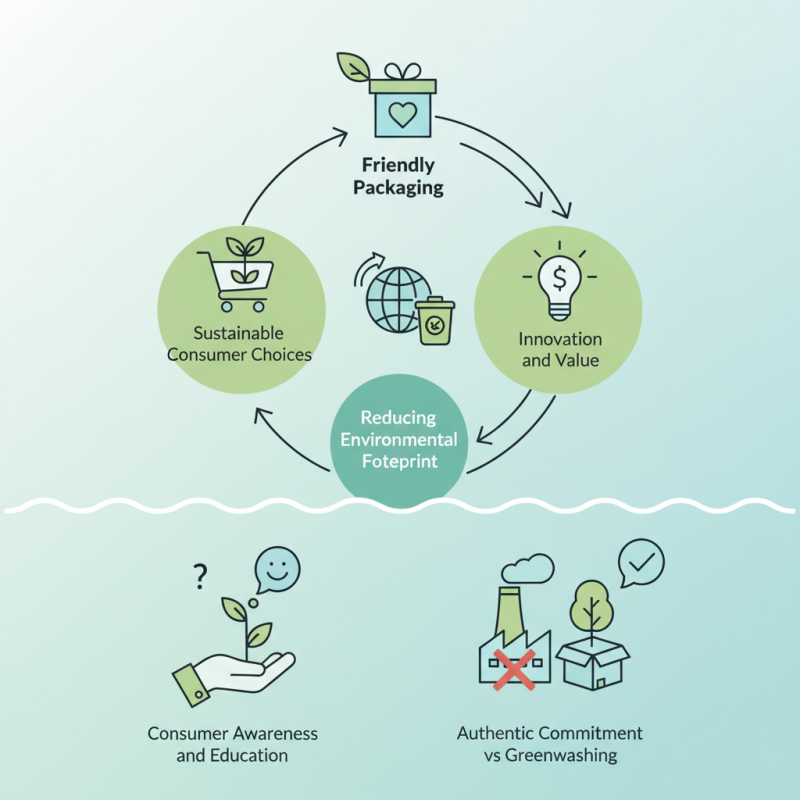
In today's eco-conscious world, friendly packaging plays a crucial role in shaping sustainable consumer choices. Dr. Jane Thompson, a leading expert in sustainable design, emphasizes, "Friendly packaging is not just about aesthetics; it’s a commitment to our planet.” As consumers increasingly gravitate towards environmentally responsible products, brands must rethink their packaging strategies.
The push for friendly packaging has grown in recent years. It speaks directly to consumers' desire to reduce their environmental footprints. However, some brands still prioritize cost over sustainability. This choice can lead to greenwashing, where companies market themselves as eco-friendly while using harmful materials. This contradiction raises questions about authentic commitment to sustainability.
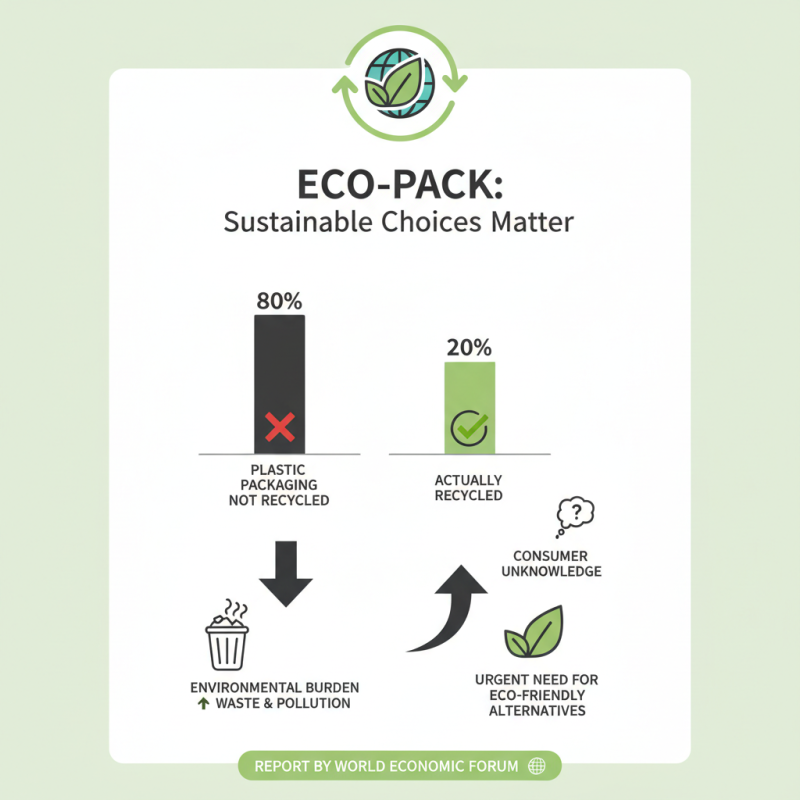
Despite the growing awareness, many consumers remain unaware of the impact of packaging choices. Education around friendly packaging is essential. It helps consumers recognize sustainable options and encourages brands to innovate. Thoughtfully designed packaging can influence purchasing decisions and promote better habits. These efforts should reflect both environmental responsibility and consumer expectations.
The Role of Eco-Friendly Packaging in Consumer Decision-Making
Eco-friendly packaging plays a crucial role in consumer decision-making today. Many consumers prioritize sustainability when making purchases. They often look for products that use recyclable or biodegradable packaging. This shift reflects a growing awareness of environmental issues. It encourages companies to rethink their packaging choices.
The aesthetics of eco-friendly packaging can also influence consumers. Minimalistic designs often attract attention. Bright colors and bold graphics may not always convey sustainability. A simple, natural look can create a positive impression. However, not all companies communicate their efforts clearly. Sometimes, the packaging claims can be misleading. This creates confusion among buyers, which calls for more transparency.
Consumers are on a journey of discovery. They want to feel good about their purchases. But many still struggle to find genuinely sustainable options. Studies show that consumers are willing to pay more for green packaging. Yet, some remain skeptical about the actual benefits. It's essential for brands to address these concerns openly. They need to provide clear information to help guide responsible choices.
Importance of Eco-Friendly Packaging in Consumer Decision-Making
This chart illustrates the key features of eco-friendly packaging that influence consumer decision-making. As shown, recyclability and minimalism are the most important factors for consumers, highlighting the significance of sustainable packaging choices in the marketplace.
Statistics on Consumer Preferences for Sustainable Packaging Solutions
Consumer preferences are shifting significantly towards sustainable packaging solutions. Studies show that 74% of shoppers are influenced by eco-friendly packaging. This demand is not just a trend; it reflects a growing awareness of environmental issues. Many consumers now consider packaging materials as part of their purchasing decision. They seek alternatives that minimize waste and avoid harmful substances.
Making informed choices can be daunting for consumers. Here are some tips:
- Look for biodegradable or compostable materials. These options break down naturally, reducing landfill waste.
- Pay attention to recycling labels. Understanding how to recycle packaging can help you contribute to a circular economy.
- Explore local products. Often, local brands use more sustainable practices and less packaging.
However, the reality is that not all packaging labeled as sustainable is truly eco-friendly. Some materials are misleadingly marketed as green. Consumers must be critical and do their research. Sustainable choices require effort, but every small step adds up. Your decision can influence brands to rethink their packaging strategies. It’s important to remember that every purchase counts.
Comparative Analysis of Biodegradable vs. Conventional Packaging
When discussing sustainable consumer choices, packaging plays a pivotal role. Biodegradable packaging is a popular alternative to conventional options. Biodegradable materials break down naturally over time. This reduces waste in landfills. They often derive from renewable resources, making them an eco-friendlier choice. However, not all biodegradable options decompose efficiently in every environment. Consumers might feel misled when misinformed about these products.
Conventional packaging, such as plastic, poses significant environmental challenges. It takes hundreds of years to decompose. Many people are aware of this reality. Yet, they still lean towards convenience. The immediate benefits of traditional packaging often overshadow the long-term consequences. This creates a dilemma for consumers who desire sustainability but prioritize practicality. It’s a complex choice, filled with grey areas. Many consumers do not actively question their packaging choices. This reluctance can hinder progress toward more sustainable practices.
Choosing between biodegradable and conventional packaging requires mindfulness. Understanding the lifecycle of materials is essential. Questions need to be asked about disposal methods and recyclability. The ideal choice isn't always clear-cut. Education plays a critical role in this journey. As consumers, we must reflect on our choices. Are we truly supporting sustainable practices, or just picking what’s easy?
Case Studies: Brands Leading the Charge in Friendly Packaging Initiatives
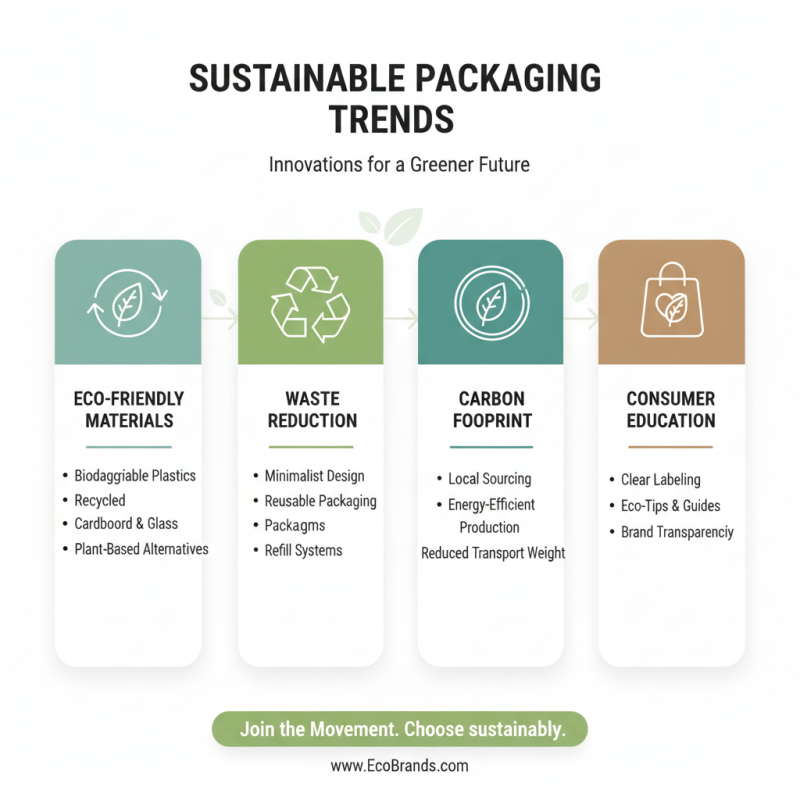
Sustainable packaging has gained traction. Several brands stand out by making impactful changes. They prioritize eco-friendly materials like biodegradable plastics. This shift not only reduces waste but also educates consumers about eco-conscious choices. Many brands now focus on minimizing their carbon footprint. They use recycled materials, promote reusability, and avoid harmful substances.
One notable initiative is the introduction of minimalistic designs. This reduces excess packaging and waste. Through this approach, brands encourage consumers to consider their purchases more carefully. They highlight the importance of responsibility in making choices. Customers are more likely to support products that align with their values. However, there are challenges. Not all consumers understand the benefits of sustainable packaging. Some may prioritize convenience over sustainability. Brands need to address this gap in awareness.
Many companies host community events to connect with consumers directly. They educate the public on the significance of packaging options. Some even offer incentives for returning used packaging. While progress is being made, continuous improvement is essential. The journey toward widespread eco-friendly packaging is ongoing. Brands must keep innovating to inspire more consumers.