Why Is Eco Packaging Important for a Sustainable Future?
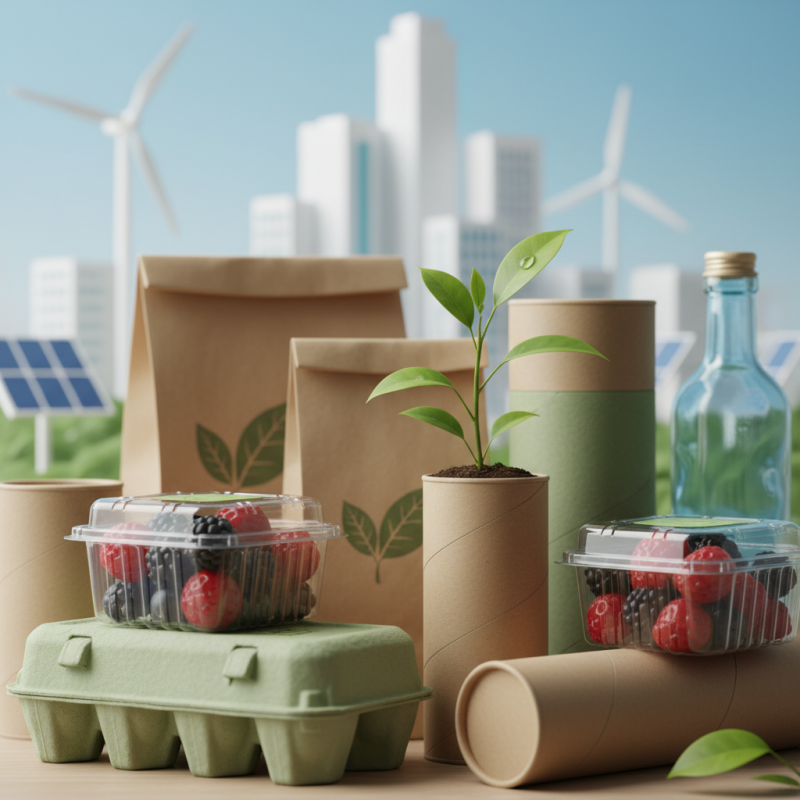
In recent years, eco packaging has become a vital topic in sustainability discussions. With rising concerns about plastic pollution, eco packaging offers an alternative. This packaging option uses materials that are biodegradable, recyclable, or compostable. Many companies have started to embrace eco packaging. They recognize its potential to reduce waste and lower environmental impact.
However, the transition to eco packaging is not without challenges. Some businesses hesitate due to higher costs or limited options. Consumers often lack awareness about the benefits of eco packaging. This gap can hinder progress towards sustainable practices. Moreover, not all eco-friendly materials are equally effective. Some may still have a carbon footprint that needs addressing.
Despite these hurdles, the importance of eco packaging cannot be overstated. It represents a step toward a cleaner, greener future. By choosing eco packaging, companies can contribute to global efforts. They can inspire consumers to make more sustainable choices. The journey towards full sustainability is complex, but eco packaging is a significant starting point.
Importance of Eco Packaging in Reducing Environmental Impact
Eco packaging plays a vital role in reducing environmental impact. Traditional packaging often ends up in landfills, contributing to pollution. In contrast, eco-friendly materials are biodegradable or recyclable. They break down naturally, minimizing waste.
Using eco packaging can also save resources. Many eco-friendly options are made from renewable materials. This means we rely less on fossil fuels. For instance, paper made from recycled products helps conserve trees and reduces energy use. Consumers increasingly prefer brands that prioritize sustainability. They want to make choices that align with their values.
Here are some tips to choose eco packaging for your needs. First, consider materials like recycled paper or sustainably sourced cardboard. Look for packaging that can be reused or repurposed. Don’t forget to check for certifications. These can guide you to truly sustainable options. It’s okay to feel overwhelmed. The goal is to make improvements, even small ones count.
Role of Eco Packaging in Resource Conservation and Waste Reduction
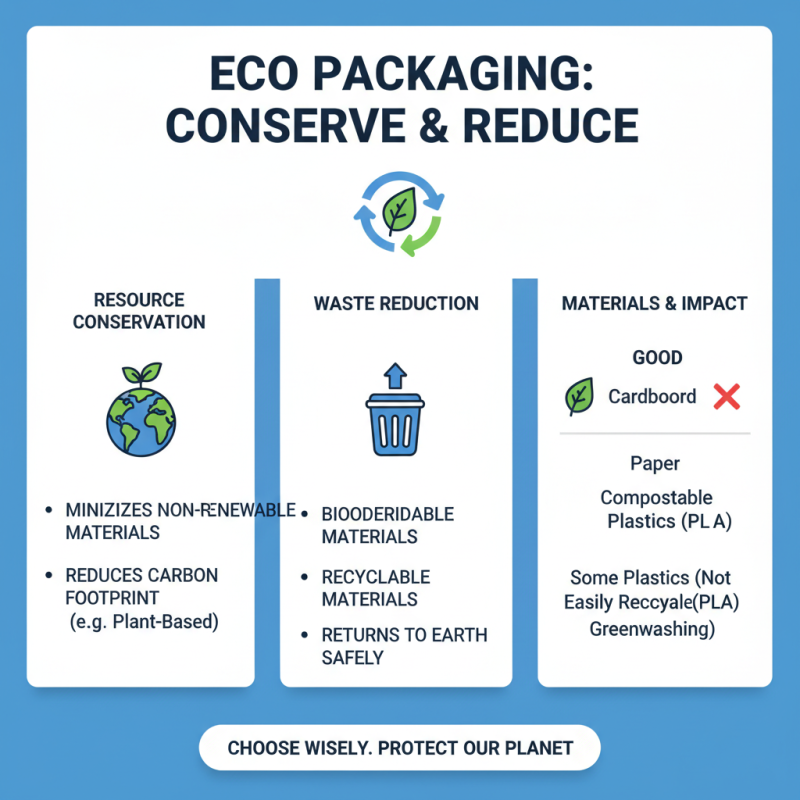
Eco packaging plays a vital role in resource conservation and waste reduction. It minimizes the use of non-renewable resources. Many materials used in eco packaging are biodegradable or recyclable. This means they can return to the earth without harming the environment. For instance, using plant-based materials can drastically reduce carbon footprints. Not all eco packaging is perfect. Some still uses plastics that are not easily recyclable.
Tips: Always check the labeling. Look for certifications that assure you of eco-friendly materials. Consider products that require less packaging overall. Smaller, lighter packaging often leads to less waste.
Another benefit of eco packaging is its potential to reduce landfill waste. Traditional packaging contributes significantly to landfill overflow. In contrast, eco-friendly options break down more easily. However, consumers must also play a role. Proper disposal methods are crucial for maximizing benefits. Improper disposal can lead to contamination and hinder recycling efforts.
Tips: Educate yourself on local recycling rules. Not all areas recycle the same materials. Sometimes, you might think you're doing the right thing, but it could backfire. Always be cautious and informed about what to recycle.
Benefits of Eco Packaging for Consumer Health and Safety
Eco packaging plays a crucial role in promoting consumer health and safety. Traditional packaging materials often contain harmful chemicals. These substances can leach into food and beverages, posing risks to health. Eco-friendly options, made from materials like biodegradable plastics or recycled paper, avoid these dangers. They minimize exposure to potentially toxic elements, offering a safer alternative for consumers.
Moreover, eco packaging aims to reduce waste. It encourages proper disposal and recycling habits among consumers. This environmental consciousness can lead to healthier habits and a cleaner planet.
However, the journey towards eco-packaging is not without its challenges. Many eco-friendly materials are still being developed. Some may not perform as well as their conventional counterparts. This raises questions about effectiveness and practicality in real-world applications.
The aesthetics of eco packaging also matter. Consumers often judge products by their appearance. Eco packaging may not always have the visual appeal of traditional materials. Brands need to think creatively, balancing sustainability with attractive design. This can be a daunting task. Nonetheless, improving eco-packaging continues to benefit not only the environment but also consumers’ well-being.
Innovation in Eco-Friendly Packaging Materials and Technologies
Innovation in eco-friendly packaging is a critical part of achieving sustainability. Today, materials like plant-based plastics and recycled paper are gaining traction. These materials can reduce our carbon footprint significantly. They are often biodegradable, breaking down naturally without polluting the environment. Imagine a world where waste doesn't linger for centuries.
New technologies also play a key role. For instance, water-soluble packaging is an exciting development. It can dissolve in water, leaving no trace behind. This creates less waste, which benefits wildlife and ecosystems. However, the cost of these technologies can be high. Many companies hesitate to adopt them. This reflects a need for better funding and awareness in sustainable practices.
Also, the recycling process itself needs improvement. Many consumers still struggle to recycle properly. Clear communication about what can be recycled is essential. Despite the innovation in materials, education is lagging. We must address this gap to fully embrace eco-friendly packing solutions. Our future depends on it.
Importance of Eco Packaging for a Sustainable Future
Challenges and Opportunities in the Adoption of Eco Packaging Solutions
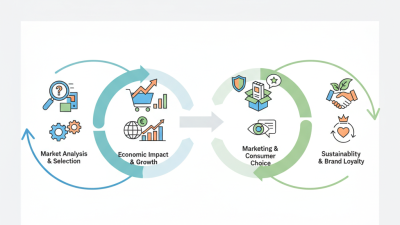
Eco packaging presents both challenges and opportunities in the pursuit of sustainability. Research indicates that around 60% of consumers prefer products with eco-friendly packaging. This shift reflects a growing awareness of environmental issues. However, adopting eco packaging solutions is not without hurdles. Transitioning from traditional materials can be costly for manufacturers. They often face resistance due to supply chain complexities and the need for consumer education. Often, companies find it hard to balance cost and sustainability.
While these challenges exist, opportunities abound. Businesses that adopt eco packaging can gain a competitive edge. For example, a report by the Ellen MacArthur Foundation states that transitioning to circular packaging could save companies approximately $10 billion by 2025. Consumers are increasingly willing to pay a premium for sustainable choices. Eco packaging can sometimes lead to innovative designs that differentiate products on the shelves.
**Tip:** Start small. Consider using biodegradable materials for one product line. This can simplify the learning curve.
Investing in research is crucial. Collaborate with packaging experts to identify sustainable alternatives that align with your goals.
**Tip:** Use consumer feedback. Engage customers in discussions about what eco-friendly packaging means to them. This can help guide your approach.
Why Is Eco Packaging Important for a Sustainable Future? - Challenges and Opportunities in the Adoption of Eco Packaging Solutions
| Dimension |
Description |
Current Importance |
Future Opportunities |
| Consumer Awareness |
Growing demand for sustainable packaging among consumers. |
High |
Enhanced marketing strategies focused on eco-friendliness. |
| Material Innovation |
Development of biodegradable and recyclable materials. |
Moderate |
Potential for new product lines based on sustainable materials. |
| Regulatory Pressure |
Increased regulations on non-recyclable materials. |
High |
Adaptation to regulatory changes can inspire innovation. |
| Cost Factors |
Initial higher costs for sustainable materials. |
Moderate |
Long-term savings through waste reduction and brand loyalty. |
| Supply Chain Adjustments |
Need for changes in sourcing and distribution. |
Medium |
Increased collaboration with suppliers and logistic partners. |