Top Eco Friendly Packaging Solutions for a Sustainable Future?
In today's world, sustainable living is more crucial than ever. Consumers increasingly seek out the best eco friendly packaging options. This shift is driven by rising environmental awareness and the impact of waste on our planet. The packaging industry plays a pivotal role in this transition towards sustainability.
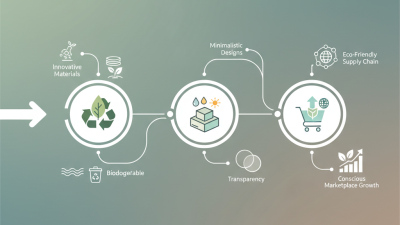
Many businesses are exploring innovative solutions to reduce their ecological footprint. From biodegradable materials to minimalist designs, the choices are diverse. However, not all eco friendly packaging is truly effective. Some products may claim to be green but fall short in functionality or waste reduction. It's important to scrutinize these options and seek genuine solutions.
Finding the best eco friendly packaging can feel daunting. Many alternatives exist, but each comes with its own set of challenges. Companies must balance sustainability with cost and practicality. This tension can create room for reflection on how to improve existing practices. Our future depends on making informed choices about packaging, leading us to a more sustainable world.
Top Eco Friendly Packaging Solutions for a Sustainable Future
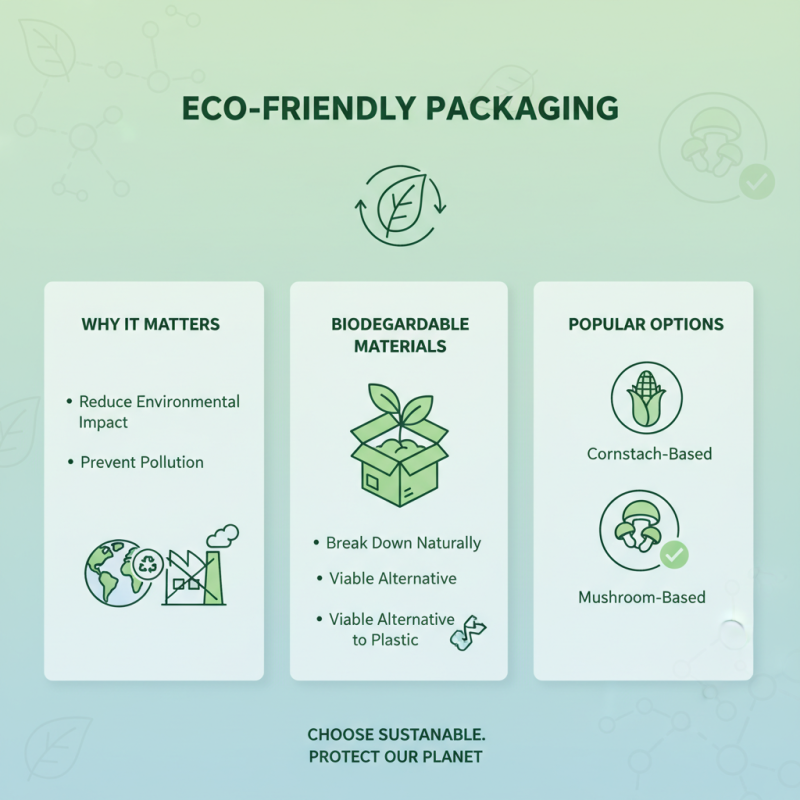
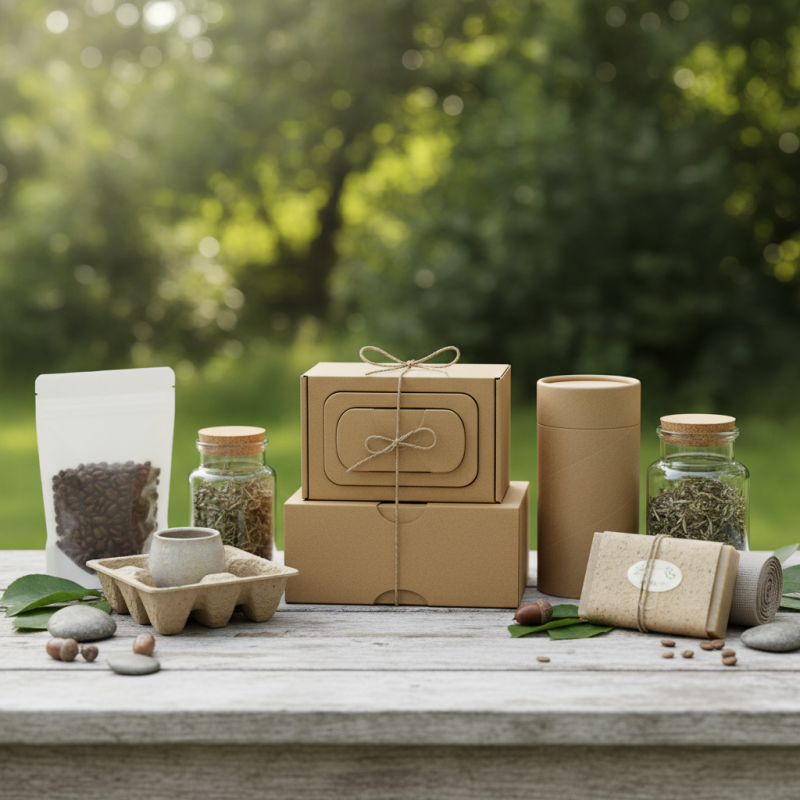
In today's world, choosing eco-friendly packaging is essential. Many businesses seek sustainable options to reduce their environmental impact. Biodegradable materials are gaining attention. These packages break down naturally, preventing pollution. Options like cornstarch and mushroom-based packaging are becoming popular. They provide a viable alternative to plastic.
Recyclable materials also play a significant role. Cardboard and paper can be reused. However, many products still contain plastic linings, which complicate recycling efforts. Companies need to consider the full lifecycle of their packaging. This reflection is crucial for making real changes.
Despite advancements, challenges remain. Not all eco-friendly solutions are affordable for small businesses. There are also concerns about durability and functionality. Striking the right balance can be difficult. Educating consumers about the benefits of sustainable options is vital for future progress. The journey towards greener packaging is ongoing, filled with opportunities for innovation and improvement.
Understanding the Environmental Impact of Traditional Packaging Methods
Traditional packaging methods have significant environmental impacts. According to a report by the Ellen MacArthur Foundation, plastic packaging accounts for roughly 40% of all plastic waste. This waste harms marine life and ecosystems. The production processes also emit greenhouse gases, contributing to climate change.
Moreover, a study by the World Economic Forum highlights that only 9% of plastic is recycled effectively. Many materials end up in landfills or oceans. This inefficiency poses a serious challenge. Some traditional materials, like Styrofoam, take hundreds of years to decompose. During that time, they release toxic substances. These processes are unsustainable and warrant serious reflection.
Switching to eco-friendly alternatives can reduce detrimental effects. Biodegradable packaging, for instance, decomposes in months, not decades. A shift towards such solutions is essential for a sustainable future. Each choice we make in packaging affects the planet. Understanding the impact of current practices is vital for change.
Key Benefits of Eco-Friendly Packaging in Reducing Carbon Footprint
Eco-friendly packaging offers numerous benefits in reducing the carbon footprint. Using biodegradable materials can significantly diminish landfill waste. For example, plant-based plastics break down faster than traditional products. This not only benefits the environment but also encourages sustainable practices among businesses.
Moreover, eco-friendly packaging often requires less energy to produce. Recycled materials consume fewer resources, which translates to lower emissions. However, not all eco-packaging is perfect. Some products may have limited durability and shelf life. This can lead to wasted items that do not reach consumers.
Additionally, awareness and acceptance of green packaging solutions are still growing. Many consumers are hesitant to change their buying habits. Education is key. When people understand the impact of their choices, they may opt for more sustainable products. Overall, exploring eco-friendly packaging can pave the way for a greener future, but it requires ongoing effort and commitment.
Top Eco Friendly Packaging Solutions for a Sustainable Future
| Packaging Type |
Material Used |
Recyclability |
Biodegradability |
Carbon Footprint Reduction |
Cost Effectiveness |
| Biodegradable Bags |
Plant-based polymers |
Yes |
Yes |
30% |
Moderately priced |
| Recycled Paper Packaging |
Post-consumer waste paper |
Yes |
No |
60% |
Economically viable |
| Glass Packaging |
Glass |
Yes |
Yes |
50% |
Higher cost |
| Mushroom Packaging |
Mycelium and agricultural waste |
Yes |
Yes |
70% |
Competitive |
| Cornstarch Packaging |
Corn starch-based materials |
Yes |
Yes |
40% |
Cost equivalent |
Innovative Materials Shaping the Future of Sustainable Packaging
Innovative materials are transforming the packaging industry. Companies are now seeking alternatives to traditional plastics. Biodegradable films made from starch or cellulose are gaining traction. These materials break down naturally, reducing waste. Some are derived from agricultural byproducts, promoting a circular economy.
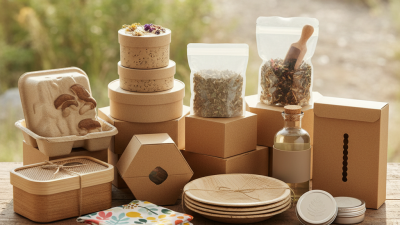
Mushroom packaging is another groundbreaking option. It may sound strange, but it's effective. Made from mycelium, it grows into the desired shape and is compostable. While this option is promising, scaling production can be challenging. There is still a need for research into durability and cost-effectiveness.
Plant-based plastics are also on the rise. They come from renewable resources. While they reduce reliance on fossil fuels, they are not without issues. Some might still lead to pollution if not disposed of correctly. As the industry shifts, we must continually assess the environmental impact. Not all solutions are perfect, and a question remains: Are we choosing wisely?
Case Studies: Successful Implementations of Eco-Friendly Packaging
Eco-friendly packaging is gaining traction in various industries. One notable implementation involves biodegradable materials that break down naturally over time. These options reduce landfill contributions and lessen environmental impact. Companies using corn starch-based packaging can effectively lessen plastic waste. However, consumer awareness about these materials is still limited, which poses a challenge.
Another example highlights the shift to recycled paper-based packaging. Many businesses are transitioning from plastic to paper which is recyclable and often compostable. The challenge remains in sourcing sustainable paper without harming forests. Many brands struggle with this balance, needing to ensure the supply chain is ethically managed.
As companies embrace these practices, they sometimes overlook consumer perceptions. Not all customers may understand the benefits of eco-friendly packaging. Educating the public is essential for wider acceptance. Additionally, some products may still require traditional packaging, presenting a hurdle for complete sustainability. Continuous innovation is necessary, but the path to a sustainable future is still a work in progress.
Top Eco Friendly Packaging Solutions for a Sustainable Future
This chart illustrates the market share of various eco-friendly packaging solutions implemented successfully in recent years, showcasing the growing trend towards sustainable practices.
Conclusion
In an era marked by increasing environmental awareness, the shift towards the best eco friendly packaging solutions is crucial for promoting sustainability. Traditional packaging methods contribute significantly to pollution and waste, leading to a detrimental impact on our planet. By adopting eco-friendly packaging, businesses can make substantial strides in reducing their carbon footprint, promoting a healthier environment for future generations.
Innovative materials are at the forefront of developing sustainable packaging options, enabling companies to minimize their environmental impact while meeting consumer expectations. Case studies demonstrating successful implementations of eco-friendly packaging highlight the effectiveness of these solutions in various industries. Moreover, regulatory trends and heightened consumer demand are driving the adoption of sustainable practices, encouraging businesses to embrace the best eco friendly packaging alternatives available. As we move towards a more sustainable future, prioritizing eco-friendly packaging is essential for both the environment and corporate responsibility.