What is Commercial Packaging and Why Is It Important?
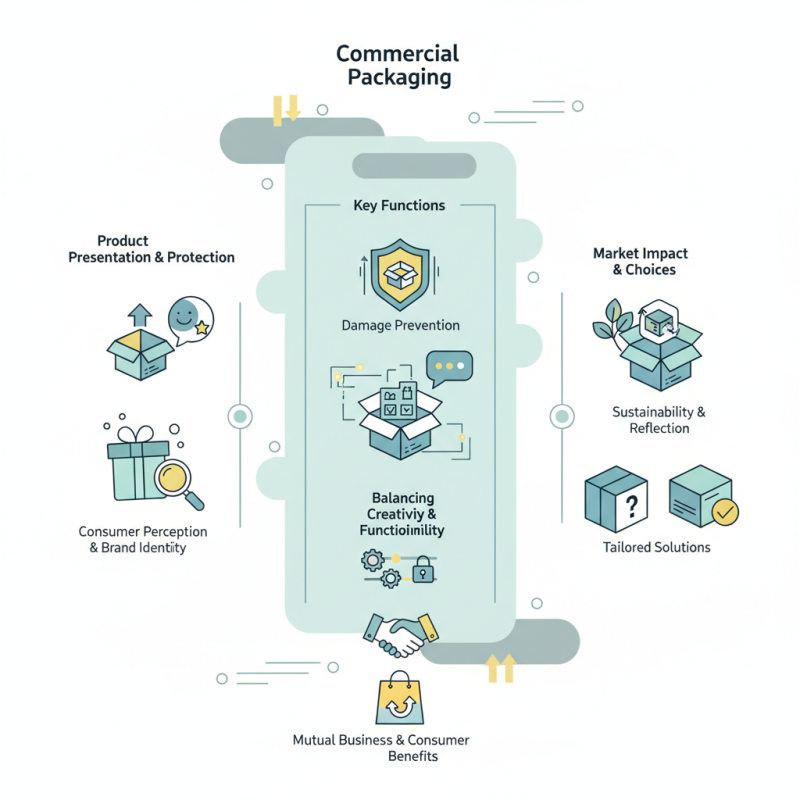
Commercial packaging is a vital aspect of product presentation and protection. It serves more than just a functional role; packaging impacts consumer perception and brand identity. High-quality commercial packaging can attract customers and enhance their shopping experience. Good design draws attention and creates a memorable impression.
However, the importance of commercial packaging goes beyond aesthetics. It prevents damage during transportation and storage. Effective packaging also communicates essential information. Simple text and graphics can provide users with necessary details about the product. But, the challenge lies in balancing creativity and functionality. Overly complex designs can confuse rather than inform.
In today's competitive market, businesses must reflect on their packaging choices. What's effective for one product may not suit another. Sometimes, companies overlook sustainability, focusing solely on visual appeal. This can lead to negative consumer perceptions. Thoughtful reflection on commercial packaging can lead to better choices, benefiting both businesses and consumers.
Definition of Commercial Packaging and Its Components
Commercial packaging serves as the protective layer for products, ensuring they reach consumers in optimal condition. It includes various components, such as materials, design elements, and functional features. The choice of packaging material can influence both the aesthetic appeal and the safety of the product inside. For example, using cardboard for boxes can provide sturdiness while plastic can offer transparency. Each component plays a critical role in the overall effectiveness of packaging.
Design elements are also vital in commercial packaging. They convey branding messages and attract customer attention on crowded shelves. Colors, logos, and typography are all intentional choices that reflect the brand's identity. However, not all packaging performs as effectively as intended. Some designs may look great but lack functionality. Flimsy packages can lead to damaged goods, causing disappointment for consumers. This highlights a need for continuous improvement in packaging strategies.
Functional features are often overlooked yet essential. Easy-open tabs, resealable bags, and eco-friendly materials enhance user experience. But many products still fail in these areas. A stunning design that is hard to open can frustrate customers. In contrast, practical solutions can sometimes be visually unappealing. Striking a balance between aesthetics and function is a challenge that requires ongoing reflection and innovation.
What is Commercial Packaging and Why Is It Important?
| Component |
Description |
Importance |
| Material |
The type of material used for packaging, such as cardboard, plastic, or glass. |
Ensures product protection and influences consumer perception. |
| Design |
Visual elements that attract consumers, including colors, graphics, and layout. |
Enhances brand recognition and can increase sales. |
| Functionality |
How easy the packaging is to use, such as resealability or dispensing. |
Improves user experience and can lead to repeat purchases. |
| Sustainability |
Use of eco-friendly materials and practices in packaging production. |
Appeals to environmentally conscious consumers and reduces carbon footprint. |
| Labeling |
Information presented on the package, including nutrition, usage, and expiry dates. |
Ensures compliance with regulations and aids in consumer decision-making. |
The Role of Commercial Packaging in Brand Identity
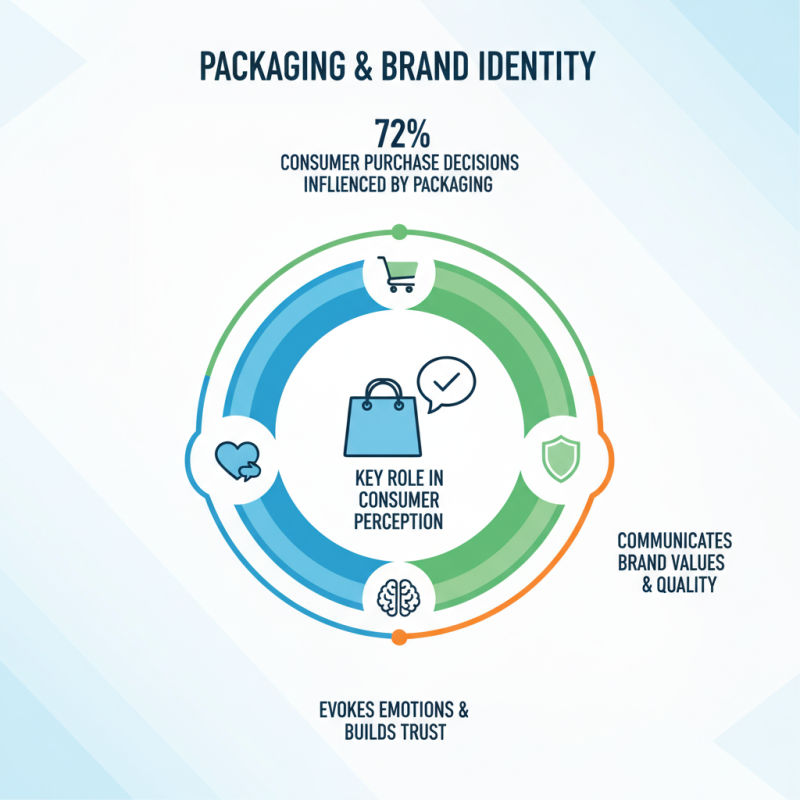
Commercial packaging plays a vital role in shaping brand identity. According to a report from Packaging Strategies, around 72% of consumers say packaging influences their purchase decisions. This statistic highlights the connection between packaging design and consumer perception. Effective packaging communicates brand values and product quality at a glance. It can evoke emotions and establish trust.
Visual elements in packaging, such as colors and textures, create a memorable impression. For instance, studies show that color increases brand recognition by up to 80%. However, many brands overlook this aspect. They may focus on functionality or cost, neglecting the aesthetic appeal that attracts consumers. This can lead to missed opportunities in a competitive market.
Moreover, sustainable packaging is gaining traction. A survey from Nielsen indicates that 66% of global consumers are willing to pay more for sustainable brands. Yet, many companies struggle to balance sustainability with cost. They may face pressures to reduce expenses, causing them to choose less eco-friendly options. This contradiction can damage brand reputation over time, leading to consumer distrust. The challenge lies in finding a middle ground that aligns with both ethical values and business strategies.
Importance of Commercial Packaging in Product Protection
Commercial packaging plays a crucial role in protecting products during transportation and storage. It shields items from physical damage and environmental factors. For instance, fragile items like glass bottles require sturdy packaging to prevent breakage. On the other hand, perishables need materials that keep them fresh and safe from contamination.
Without proper packaging, products can be exposed to moisture, dirt, and temperature changes. This exposure can lead to spoilage or degradation. Imagine receiving a package only to find its contents damaged. This not only frustrates consumers but also tarnishes brand reputation.
However, many still underestimate the importance of packaging design. A poorly designed package can compromise product safety, despite using quality materials. Companies must reflect on how their packaging choices affect product integrity. A balance between aesthetics and functionality is often challenging to achieve.
Impact of Commercial Packaging on Consumer Behavior
Commercial packaging plays a crucial role in influencing consumer behavior.
Attractive packaging can draw a customer’s eye in a crowded marketplace. The colors,
shapes, and materials used can evoke strong emotions.
For instance, bright colors often suggest excitement, while earthy tones can convey
natural ingredients. This connection between packaging design and consumer emotions is significant.
However, not all packaging makes a positive impression. Overly complex designs might confuse potential buyers.
Minimalistic packaging can sometimes be too bland,
failing to capture interest. Consumers might overlook products that don't stand out visually. Moreover, excessive packaging
can lead to negative perceptions about a brand. Sustainability concerns are growing,
and many shoppers prefer eco-friendly options. The message conveyed through the packaging can greatly affect purchase decisions.
Additionally, informative packaging can enhance consumer trust.
Clear labeling of ingredients and benefits
helps shoppers feel more informed. Yet, if the information is buried or hard to read, it can frustrate potential customers.
In a world where attention spans are short, clarity is key. Design choices must balance
aesthetics and functionality, making consumers feel valued and understood.
Sustainability Trends in Commercial Packaging Practices
Sustainability trends in commercial packaging are gaining traction. Brands are under pressure to reduce their environmental footprint. Consumers now prefer eco-friendly options over traditional packaging methods. As a result, companies are exploring alternatives like biodegradable materials. This shift is not just a trend; it’s a necessity for a better planet.
The use of plastic is being scrutinized. Many businesses are finding innovative ways to minimize plastic use. For instance, packaging made from recycled materials is becoming popular. This not only helps the environment but also attracts more customers. Yet, some companies struggle with the higher costs associated with sustainable materials. Finding a balance between cost and sustainability remains a challenge.
Tips for improving your packaging practices: consider using minimalistic designs. This can reduce waste and save costs. Evaluate your suppliers and their sustainability practices. Aligning with eco-conscious partners can enhance your overall impact. Explore the possibility of using refillable or reusable packaging. This encourages customers to be part of the sustainability journey. It’s a win-win for businesses and the environment.