How to Choose the Best Polyethylene Boards for Your Needs?
Choosing the right Polyethylene Boards can significantly impact your projects. These versatile materials are widely used across industries, from construction to packaging. According to a recent report by MarketsandMarkets, the global polyethylene market is expected to reach $300 billion by 2027. This growth underscores the importance of selecting high-quality boards to meet specific needs.
Polyethylene boards offer durability, flexibility, and resistance to moisture. These features make them ideal for various applications, including signage, marine use, and industrial settings. However, not all polyethylene boards are created equal. It’s vital to consider factors such as thickness, density, and UV resistance. A common mistake is overlooking these details, which can lead to inadequate performance in harsh environments.
Understanding your unique requirements is essential when evaluating options. Each application varies in terms of load capacity and environmental exposure. Consulting with manufacturers and industry experts can provide valuable insights. In an evolving market, remaining informed will help you make better choices. Embrace the potential of polyethylene boards; doing so can lead to greater efficiency and lasting results.
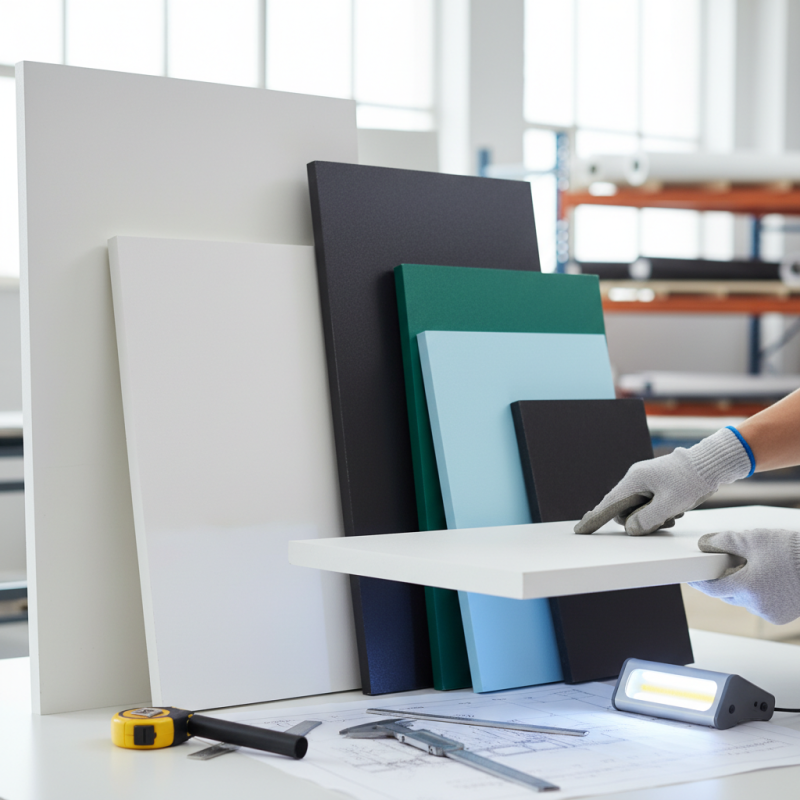
Understanding Different Types of Polyethylene Boards Available in the Market
When exploring polyethylene boards, understanding the various types available is crucial. There are different grades tailored for specific applications. High-density polyethylene (HDPE) is popular for its strength and durability. It's often used in outdoor furniture and industrial applications. Its resistance to impact makes it a reliable choice.
On the other hand, low-density polyethylene (LDPE) is more flexible and lightweight. This type is best for applications requiring bending or shaping, such as protective covers. It's essential to consider the environment in which the board will be used. Factors like temperature, exposure to chemicals, and physical stress all play a part. Some users may underestimate these impacts and face performance issues later.
Another type is cross-linked polyethylene (PEX), known for its superior chemical resistance. It's often used in plumbing and heating applications. However, some users might struggle with installation due to its rigidity. Understanding these nuances can help make informed choices. Being aware of your specific needs and application will lead to better outcomes.
Evaluating the Key Properties of Polyethylene Boards for Specific Applications
Selecting the right polyethylene boards requires evaluating various properties tailored to your specific application. The first aspect to consider is the density of the board. A higher density often lends greater strength and durability, suitable for structural applications. Conversely, lower-density boards may offer flexibility, making them ideal for projects requiring bending or shaping.
Another crucial property is the thermal resistance of the polyethylene. Different grades perform variably under temperature extremes. For outdoor uses, high-temperature resistance is essential. Boards intended for indoor applications may not require such robustness. Additionally, look at the chemical resistance of the boards. Some environments expose materials to harsh chemicals. Boards that resist degradation in these conditions will significantly enhance longevity.
Surface finish is another detail worth examining. A smooth finish helps when aesthetics are paramount, while a textured surface provides better grip. Reconsider your choice if the board’s finish does not fit the intended use. Gaps in understanding these properties can lead to costly errors. Understanding which characteristics matter most for your projects ensures better outcomes and alignment with your specific requirements.
Comparing Cost-Effectiveness of Polyethylene Boards Across Various Suppliers
In selecting polyethylene boards, understanding cost-effectiveness is crucial. Various suppliers offer differing prices based on materials and quality. Industry research indicates that average prices for polyethylene boards range from $1 to $3 per square foot, depending on thickness and type. This variability means buyers must evaluate the total cost versus the board's durability and application suitability.
For instance, a report by the Plastics Industry Association highlights that investing in higher-quality boards can reduce maintenance costs over time. Cheaper boards might save initial expenses but could lead to increased replacement frequency. This trade-off is essential to consider, as lower upfront costs may not equal long-term savings.
Examining supplier reputations and customer reviews can provide insight into their reliability. Consumers should look for feedback on board performance in real-world applications. Gathering this information might take time, yet it is a vital step in making an informed decision. After all, selecting the right polyethylene board goes beyond just price; it involves balancing costs with the expected performance and lifespans of the materials.
Cost-Effectiveness Comparison of Polyethylene Boards
Determining the Environmental Impact and Sustainability of Polyethylene Boards
When evaluating the environmental impact and sustainability of polyethylene boards, several factors come into play. A 2021 report by the Environmental Protection Agency indicated that plastics, including polyethylene, are significant contributors to global waste. It estimates that only 9% of plastic waste gets recycled. This statistic raises concerns about the long-term persistence of polyethylene in landfills.
Production processes also deserve scrutiny. The energy required to manufacture polyethylene boards can result in substantial carbon emissions. A study published in the Journal of Cleaner Production noted that the greenhouse gas emissions associated with polyethylene production can be nearly 5-7 tons of CO2 per ton of material produced. Smaller manufacturers may lack the resources to adopt sustainable practices, leading to variability in environmental impact.
However, there are ways polyethylene boards can be more sustainable. Products made from post-consumer recycled polyethylene can reduce dependence on virgin materials. Some manufacturers are incorporating biobased additives to improve biodegradability. This shift could significantly enhance sustainability. Future innovations in recycling technology also hold promise. Progress in chemical recycling methods may offer viable pathways to close the loop on polyethylene waste. While challenges remain, the focus on improving the sustainability of polyethylene boards is crucial for environmental responsibility.
Tips for Proper Maintenance and Handling of Polyethylene Boards in Use
Proper maintenance and handling of polyethylene boards extends their lifespan significantly. A recent industry report indicated that well-maintained boards can last up to 50% longer than poorly cared ones. High-density polyethylene (HDPE) is particularly durable but still requires attention.
Store your polyethylene boards in a dry, shaded area. Exposure to sunlight and moisture can lead to degradation over time. Regularly inspect the boards for scratches or wear. Minor defects can often be repaired promptly, preventing more significant issues later. Clean the surfaces with a mild detergent and warm water to remove dirt and debris. This routine ensures both hygiene and longevity.
When using the boards, avoid placing heavy objects on them for extended periods. This can cause deformation. Always handle them with care to prevent unnecessary drops. If you notice any changes in color or texture, it might indicate a need for replacement. Being proactive about these details will keep your polyethylene boards functional and effective for a longer period.
How to Choose the Best Polyethylene Boards for Your Needs? - Tips for Proper Maintenance and Handling of Polyethylene Boards in Use
| Dimension | Thickness (mm) | Color | Weight (kg/m2) | Tips for Maintenance |
| 1000 x 2000 mm | 5 | Natural | 3.5 | Regular cleaning with mild soap and water |
| 1200 x 2400 mm | 10 | Black | 6.0 | Avoid exposure to extreme temperatures |
| 1500 x 3000 mm | 15 | Blue | 8.0 | Store in a dry, cool place |
| 2000 x 4000 mm | 20 | White | 10.5 | Use appropriate cutting tools to avoid chipping |