How to Choose Eco Packaging for Your Business Needs?
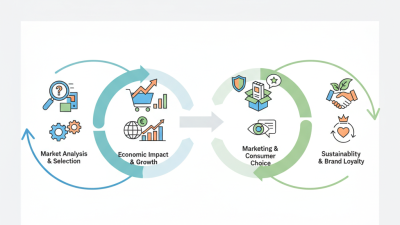
Eco packaging is becoming essential for businesses today. As consumers become more environmentally conscious, companies must adapt to these changing expectations. Choosing the right eco-friendly packaging can enhance brand reputation and demonstrate commitment to sustainability.
When selecting eco packaging, consider materials, production methods, and lifecycle impact. Many options exist, such as biodegradable plastics, recycled paper, and natural fibers. Each material has unique benefits and challenges. It's important to evaluate them critically. For some businesses, eco packaging may seem more costly upfront. However, the long-term benefits often outweigh the initial expenses.
Reflecting on your business’s specific needs is crucial. Think about your target audience and product type. Engaging with suppliers who understand eco packaging is beneficial. They can provide valuable insights and suggestions. Being informed about your choices ensures you make sound decisions that align with your values and mission.

Understanding Eco Packaging: Definition and Importance
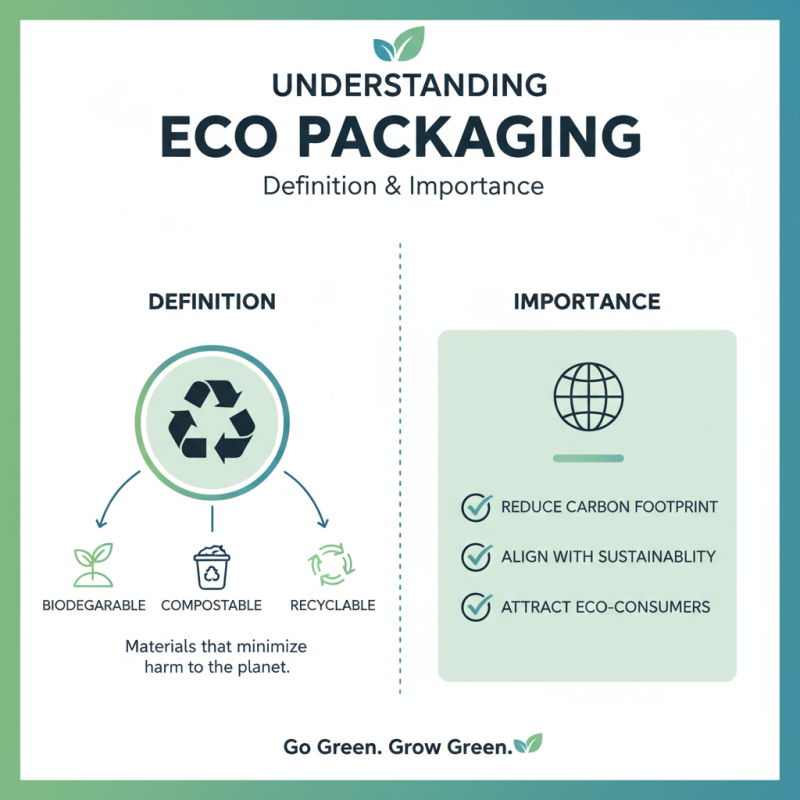
Eco packaging refers to materials that are environmentally friendly. These options are designed to minimize harm to the planet. They can be biodegradable, compostable, or recyclable. Understanding eco packaging is essential for businesses aiming to reduce their carbon footprint. Using such materials aligns with sustainability goals and attracts eco-conscious consumers.
The importance of eco packaging goes beyond mere compliance. It influences brand perception. Consumers increasingly prefer businesses that prioritize sustainability. They often associate eco-friendly products with quality. However, choosing the right materials can be challenging. Not all eco packaging is suitable for every product. Evaluating durability, cost, and functionality is vital.
Many businesses overlook essential details when selecting packaging. Some may sacrifice quality for sustainability. This compromise can lead to dissatisfaction and return rates. It’s necessary to strike a balance. Regular testing and feedback can help refine choices. Engaging with customers about their preferences also enhances trust and loyalty.
Identifying Your Business Needs for Sustainable Packaging Solutions
Choosing eco-friendly packaging starts with understanding your specific business needs. Identify your target market and their preferences. Some customers prioritize sustainability. Others focus on price or convenience. Pinpointing these needs will guide your packaging choices.
Evaluate your product type. Fragile items may require protective packaging. Lightweight materials could reduce shipping costs. Consider how packaging affects your branding. Your packaging should reflect your commitment to sustainability. Think about materials like biodegradable or recyclable options.
Transparency is crucial. Let customers know how you source materials. Highlight the benefits of your packaging choices. Engage in ongoing reflection as trends change. What works today might not be suitable tomorrow. Stay informed about eco-friendly innovations. Adaptability will strengthen your business sustainability.
How to Choose Eco Packaging for Your Business Needs? - Identifying Your Business Needs for Sustainable Packaging Solutions
| Packaging Type |
Material Used |
Biodegradability |
Recyclability |
Cost per Unit |
Suitability for Products |
| Biodegradable Bags |
Cornstarch |
Yes |
Yes |
$0.10 |
Food, Retail |
| Recycled Paper Boxes |
Recycled Paper |
Yes |
Yes |
$0.50 |
Electronics, Apparel |
| Compostable Containers |
Plant-Based Plastics |
Yes |
Yes |
$0.40 |
Food, Catering |
| Glass Jars |
Glass |
Yes |
Yes |
$1.00 |
Food, Cosmetics |
| Mushroom Packaging |
Mycelium |
Yes |
No |
$2.00 |
Fragile Items |
Evaluating Eco-Friendly Materials: Types and Benefits
When selecting eco-friendly materials for packaging, it's essential to consider various factors.
Biodegradable options, like plant-based plastics, decompose naturally.
They reduce landfill waste and support sustainability. However, their production may require intensive resources.
This trade-off can be a concern for businesses seeking truly eco-conscious solutions.
Recyclable materials are another popular choice.
Cardboard and paper packaging can often be reused. They promote a circular economy, but contamination during recycling can pose challenges.
Businesses must educate consumers on proper disposal practices.
Consideration of these details enhances both environmental impact and customer engagement.
The choice of materials impacts brand perception.
Consumers value transparency and commitment to sustainability. It's vital to evaluate the environmental footprint of each type of packaging.
While some options appear eco-friendly, hidden costs may undermine their benefits. Reflect on the full lifecycle of materials to ensure responsible choices.
Implementing Eco Packaging: Strategies for Successful Integration
Implementing eco packaging is not just a trend; it's a necessity. According to a report from Smithers Pira, the global market for sustainable packaging is projected to reach 500 billion dollars by 2027. Businesses can tap into this growing market by integrating eco-friendly materials into their products. Selecting biodegradable, recyclable, or compostable packaging helps reduce environmental impact. However, some businesses face challenges when transitioning to sustainable options.
Training staff is critical. Employees must understand the benefits and uses of eco packaging. A Sustainable Packaging Coalition study highlights that 74% of consumers are willing to pay extra for sustainable packaging. Therefore, educating consumers about eco-friendly choices increases brand loyalty. Marketers should communicate the product's sustainability clearly. Transparency enhances trust with customers.
Testing is essential before full implementation. Businesses should evaluate various materials for durability and functionality. Not all eco-friendly options perform equally. For example, compostable materials may not be suitable for all products. It’s crucial to assess the supply chain for reliable sourcing, sometimes revealing gaps in availability or quality. While the shift to eco packaging can be complex, the long-term benefits are substantial.