10 Best Friendly Packaging Solutions for Sustainable Living?
The demand for friendly packaging is growing rapidly. According to a report by Smithers Pira, the global market for sustainable packaging is projected to reach $500 billion by 2024. This significant increase highlights a consumer shift towards eco-friendly options. Many companies are now focusing on innovative packaging solutions.
Friendly packaging not only reduces waste but also enhances brand loyalty. A survey by Nielsen found that 66% of consumers are willing to pay more for sustainable brands. However, not all packaging labeled as "eco-friendly" meets true sustainability standards. Many products still rely on plastic materials or fail to be fully recyclable.
It’s essential for brands to embrace transparency in their packaging choices. Consumers are more informed than ever and demand accountability. The journey towards better packaging solutions is ongoing and requires collective effort. Real progress means refining practices while acknowledging shortcomings in current systems.
Innovative Materials for Eco-Friendly Packaging Solutions
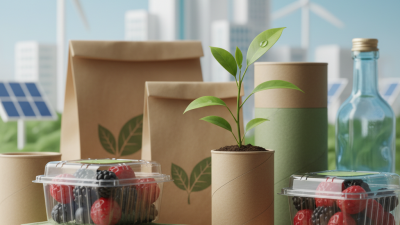
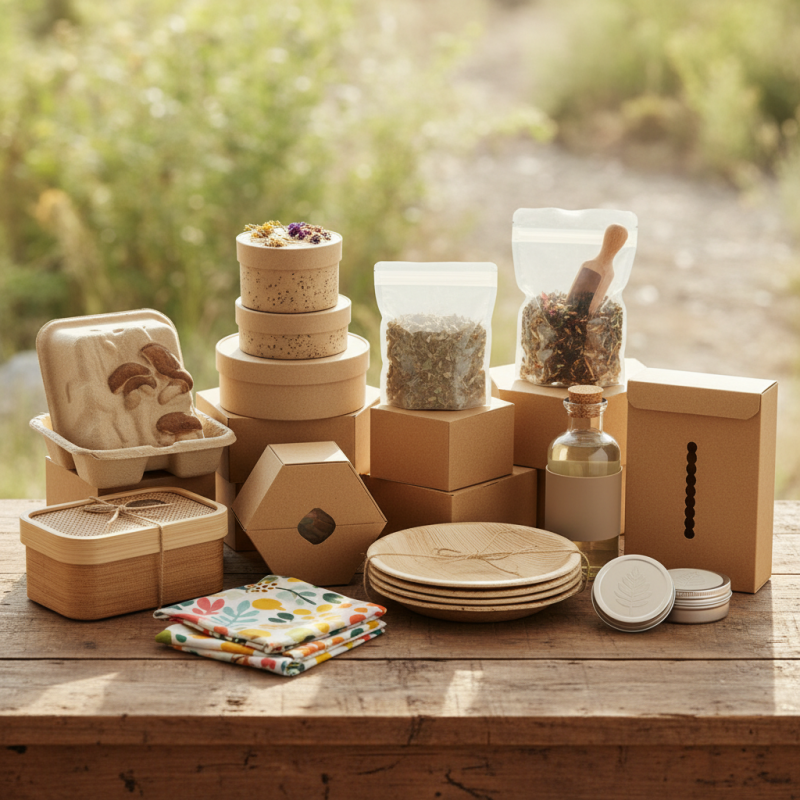
In the journey toward sustainable living, innovative materials play a key role in eco-friendly packaging solutions. Biodegradable plastics, for instance, can break down in natural conditions. They provide an alternative to traditional plastics. Plant-based fibers, like bamboo and sugarcane, make effective packaging materials as well. These fibers are renewable and compostable, reducing landfill waste.
Recycled papers are another option. They reduce the need for new raw materials. Moreover, they save trees and energy in production. However, some types of recycled paper still rely on chemical processes. These processes can be harmful and may need improvement. Similarly, corn starch packaging offers a renewable option but doesn't always hold up against moisture.
It's essential to reflect on these materials' limitations. Not every eco-friendly option is perfect. For instance, some biodegradable items require industrial conditions for proper breakdown. These nuances are crucial to understanding the real impact of our choices. By staying informed, we can support innovations that enhance sustainability while recognizing the imperfections in our current solutions.
Biodegradable Packaging Options: Benefits and Examples
Biodegradable packaging is gaining traction in the sustainability movement. It offers an alternative to traditional plastics, which can take hundreds of years to decompose. According to a report from the Ellen MacArthur Foundation, only 14% of plastic packaging is recycled globally. This statistic highlights the urgent need for eco-friendly solutions.
Materials like plant-based bioplastics and compostable paper are becoming popular choices. These solutions break down under natural conditions, reducing waste. A study from Smithers Pira indicates that the global market for biodegradable packaging is expected to reach $30 billion by 2025. This shift signifies a growing awareness of environmental issues among consumers and businesses alike.
However, challenges remain. Not all biodegradable products decompose effectively in a landfill. Some require specific conditions that are not often met. Additionally, the cost of biodegradable options can be higher than conventional packaging. This makes it a less accessible choice for smaller businesses. It's crucial for companies to weigh the benefits against these obstacles as they transition to greener alternatives.
Reusable Packaging: Designing for Longevity and Sustainability
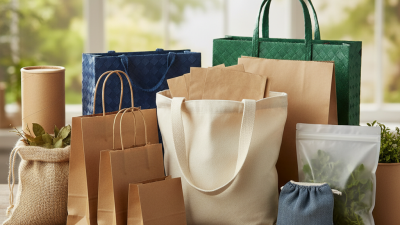
Reusable packaging plays a crucial role in sustainable living. It reduces waste and encourages mindful consumption. Designing for longevity is essential. A well-crafted reusable package can withstand multiple uses. This approach minimizes the environmental impact.
Tip: Choose materials that are durable yet eco-friendly. Options like bamboo, glass, and stainless steel are great choices. These materials have a long life span and can be recycled at the end of their lifecycle.
Many people overlook the importance of maintaining reusable items. Regular cleaning and proper storage extend their functionality. For instance, washing a reusable bag after each use keeps it hygienic. Remember, a small effort goes a long way.
Tip: Invest in a variety of reusable containers. Different sizes and shapes can accommodate various needs. This flexibility helps reduce single-use items. Embrace the journey towards sustainable choices. It requires small changes in daily habits.
Reducing Waste: Minimalist Packaging Approaches
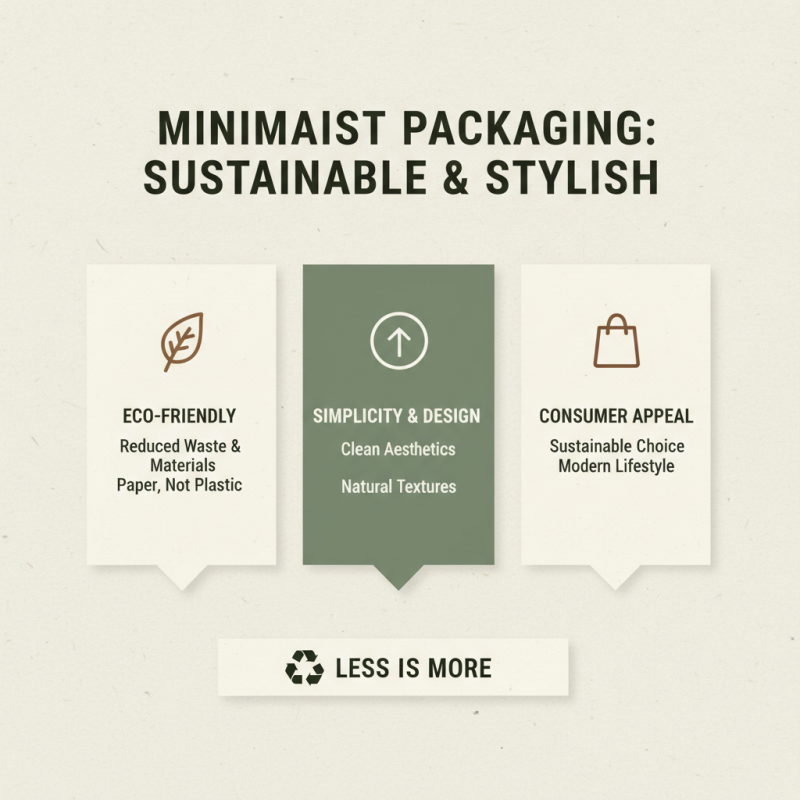
Minimalist packaging approaches are gaining popularity as more people seek sustainable living options. This concept focuses on reducing waste and using fewer materials. For example, many products now use simple paper wraps instead of plastic. This not only lessens the environmental impact but also appeals to the aesthetics of minimalism.
However, implementing minimalist packaging is not without challenges. Some products require protection that simple materials can't always provide. Consumers and manufacturers must find a balance between safety and sustainability. Additionally, there can be confusion around recycling. People may not know if certain materials can be composted or recycled. Clear labeling could help solve this problem.
A truly sustainable package should consider the entire lifecycle. From production to disposal, every aspect counts. Using biodegradable materials is a step in the right direction. Yet, many still struggle with how to dispose of these materials properly. This disconnect means even well-intentioned choices can lead to waste. It’s essential for all involved to reflect on their practices and strive for better solutions.
Consumer Awareness: The Role of Education in Sustainable Choices
Education plays a crucial role in promoting consumer awareness about sustainable choices. Informative campaigns can inspire individuals to rethink their purchasing habits. Many people are unaware of the environmental impact of packaging waste. Increasing knowledge helps consumers make better decisions.
Learning about eco-friendly packaging options is essential. Simple changes can lead to significant effects. Teens and adults must engage in conversations about sustainable living. Workshops, online courses, and community programs offer valuable insights. However, accessing these resources remains a challenge for many.
Reflecting on personal habits is vital. Most people rely on convenience without considering the consequences. Switching to sustainable packaging often feels overwhelming. Yet, small steps can make a difference. It may not be perfect, but gradual improvement is key in the journey towards a sustainable future.
10 Best Friendly Packaging Solutions for Sustainable Living
| Packaging Type |
Material |
Biodegradable |
Recyclable |
Comments |
| Plant-based Plastics |
PLA (Polylactic Acid) |
Yes |
No |
Made from corn starch, compostable in industrial facilities. |
| Recycled Paper |
Post-consumer waste paper |
Yes |
Yes |
Uses less energy and reduces landfill waste. |
| Glass Containers |
Glass |
No |
Yes |
Reusable and recyclable, great for food products. |
| Bamboo Packaging |
Bamboo fibers |
Yes |
Yes |
Sustainable, biodegradable, and highly renewable. |
| Aluminum Cans |
Aluminum |
No |
Yes |
Highly recyclable, can be reused indefinitely. |
| Compostable Bags |
Bio-based materials |
Yes |
No |
Ideal for organic waste, breaks down naturally. |
| Mushroom Packaging |
Mycelium |
Yes |
Yes |
Compostable and made from agricultural waste. |
| Recyclable Tetra Paks |
Carton with aluminum |
No |
Yes |
Often used for liquids, can be recycled at special facilities. |
| Seed Paper |
Recycled paper embedded with seeds |
Yes |
Yes |
Can be planted to grow flowers or herbs after use. |
| Natural Fabrics |
Cotton, hemp, jute |
Yes |
Yes |
Durable and biodegradable alternatives to plastic bags. |